Chapter 1: The Cultural Roots and How People See Age-Gap Relationships in the Philippines This chapter talks about age-gap relationships in the Philippines. It looks at where these ideas come from in the culture and what people think about them today. The text shows how old stories, family, and even friends can change how people feel about age between partners. There is also a focus on the way families in the Philippines value respect. Real traditions and ways of the old times can still shape what many feel or say about age- gap love now. The chapter also tells who cares about the age-gaps between couples in the country and why. Some might see it as a good thing because of wisdom or support from older people. Other people may feel that a big age difference is not good, or even feel worried about the reasons behind such a match. How age and love mix in the Philippines comes from both the past and what people feel is right today. This chapter talks about where age-gap relationships...
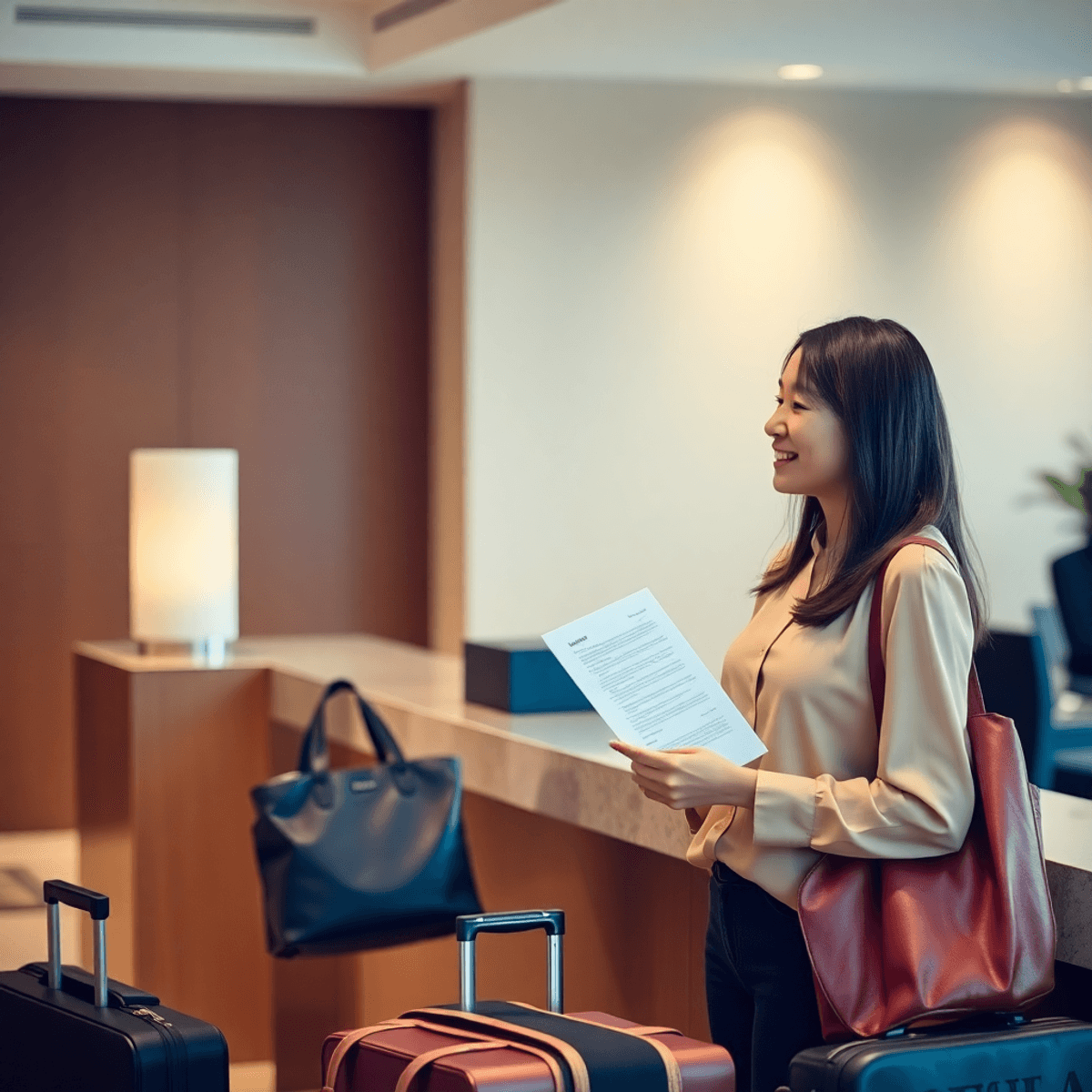
When we went to other places around the world, my girlfriend always got nervous every time we went to checkin at a hotel or apartment in a new country. If you have seen someone trying to carry passports, booking papers, and looking like they feel the problem of "hotel checkin stress", you know it is not easy. She made every time we got there feel like a big test that had lots of waiting, lots of not knowing what was going on, and a little bit of worry.
Why does it feel like you have to work out a puzzle when you check into a hotel or apartment? Here are some common reasons:
Unfamiliar ways to get in that can be very different in each country and place you stay
Language problems that make easy questions feel hard and funny at the same time
Waiting in lines that feel much longer than your last holiday plan
Not sure about your booking details or surprised by rules you did not know about
Getting good at the hotel check-in process is very important for anyone who wants a simple trip. When you know how to do these steps without any trouble, you feel calm and you get more time to enjoy your travel. If you look for a “hotel check in now” deal or want a “hotel I can check in now” spot, knowing what to do can make the start of your stay feel smooth and easy, not hard or stressful.
However, it's important to recognize that some of these challenges may be rooted in myths and misconceptions about the hotel check-in process, which can make stress levels worse. Ready to turn those frantic moments into effortless arrivals? Let’s dive deep into cracking the code of stress-free hotel check-ins.
Understanding the Sources of Stress During Hotel and Apartment Check-Ins
Stress during hotel check in or stress during apartment check in can strike when you least expect it. One moment, you're picturing yourself lounging by the pool; the next, you're dealing with unfamiliar procedures that vary from country to country, city to city, and even type of accommodation.
Different Check-In Procedures Across Countries and Accommodations
- Some places require you to be physically present for ID verification, while others allow you to use a hotel self check in app.
- Checking into bungalows might involve a friendly handshake with the owner instead of a formal desk process.
- Same day check in and check out hotels have strict schedules, so arriving late or early can turn your smooth plan into a frantic rush.
- If you're checking into a hotel after midnight, be prepared for tired staff and limited options.
Language Barriers and Communication Difficulties
Ordering dinner is one thing, but explaining your reservation details when you don’t speak the language? That’s a whole new level of stress. Language barriers can make even simple phrases like "I have a reservation" feel like trying to decode an ancient script if the front desk staff and traveler aren’t speaking the same language.
Unfamiliarity with Local Customs and Check-In Requirements
In some countries, it's standard to provide a photocopy of your passport; elsewhere, it might be frowned upon. Some hotels require you to pay a deposit at check-in, while others charge upfront. If you’re used to hotel check in right now convenience, finding out that your booking needs paperwork before arrival can make you feel like you've landed on another planet. This pre-departure guide can help mitigate such surprises by familiarizing you with local customs and check-in requirements.
Anxiety from Waiting Times and Unexpected Complications
Waiting endlessly while the front desk handles multiple guests (or tech issues) can increase stress levels significantly. Add unexpected problems like missing reservations or payment issues, and suddenly your relaxing trip feels more like a hostage situation.
Understanding these sources of stress is the first step toward mastering them — turning chaotic arrivals into calm beginnings.
Preparation Before Arrival: The Key to Stress-Free Check-Ins
Imagine this: You get to your hotel after a 12-hour flight. You just want to get in bed, but you find that your booking is gone from the system. You do not want to feel stress and rush to the front desk. So, always confirm reservations ahead of time. A quick call or email a day before you get there will help make sure your booking is there and real, just like your jet lag.
Keep the confirmation details easy to get. You can keep a screenshot on your phone, print the email, or use any way you want (a phone is simple, the carrier pigeon is not). When you do this, you will not have to search everywhere for the information. It helps a lot when you are tired and so are the people at the front desk.
Hotels and apartments each have their own check-in plans. Some let you come early and these are called hotels with early check in times. They can let you in before noon. Some other places want you to come later in the day. Here, hotel check in time starts in the afternoon. It is good to know all this, so you don’t have to wait in the lobby for a long time.
Don’t forget about those surprise late-night arrivals. Looking for late check in hotels or making sure your place has an extended stay check in time can really help if you find yourself getting in late or your flight runs late. This is good for people who get in at night or after everyone else.
Here is a short checklist you can use before you start your trip:
Make sure you have your reservation and read about any special things you need to do.
Find out if the place gives hotels with free early check in or hotels that have early check in choices.
Learn what papers you need to bring for getting your room (passport, ID, credit card).
Ask what you need to do with your bags if you get there before hotel check in time.
Plan for what to do if you get there when it is not the usual time and the place is not part of hotels with no check in time choices.
Getting ready is not just part of growing up. It is like giving yourself a special way to get through the sometimes tricky world of international hotel doors.
Effective Communication with Accommodation Providers for a Smooth Check-In Experience
When we travel around the world, my girlfriend feels stress at hotel and apartment check-ins in every place we go. There is a big reason for this stress: bad talk between people. You can avoid fighting at the front desk before you get there.
Reach out beforehand to:
Tell them your expected arrival time. If you come in at midnight and don't say anything first, you might find no one at the lobby to help you.
Let them know if you have special needs, like if you need help moving around or you can't eat some foods. This way, they can get things set up for you.
Ask if you can check in early or late, so you know what to expect if you get there before or after the usual time.
Ask if there is a place where you can keep your luggage. It's no fun to roll your suitcase all over the city if your room is not ready yet.
Clear communication can solve a lot of problems, especially when you do not speak the same language. Use simple and direct words. Say important things like booking numbers or names more than once, so people understand. If it seems hard to talk, try using apps that help with translation.
Many hotels now have contactless check-in hotel and online check-in hotel options. With these systems, you can skip lines and fill out forms before you get there. You can upload your documents and confirm your details early. A bit of smart tech use can make your check-in feel smooth and easy.
Keep emails or messages on your phone, so you can look at them if things get confusing. If the staff see that you are ready and think of others, they are more patient and stay calm. When you talk to them and share details, things feel easier. When you get there, you feel more relaxed. You feel less rushed and more ready to start your vacation.
Organizing Documentation for Smooth Check-In Processes at Hotels and Apartments
Nothing shows that you are a good traveler like having all your papers with you before you walk up to the front desk. The best way to move quickly through the process is to make sure your papers are set and easy to get.
Must-Have Documents Checklist:
Passport or Government-Issued ID: This is the most important thing you need for hotel check in. If you do not have it, you will not get a room, just like you can not get into a place you are not allowed.
Booking Confirmations for Hotel Accommodation: You can show this as a printed paper or on your phone. It helps a lot to have your confirmation number with you. This can stop any mix up about who made the booking.
Payment Methods at Hotels: Most places want a credit card. But, many hotels will also let you pay with cash or debit cards. Make sure you know which ways to pay your hotel will take before you go.
Some hotels have rules about age. Some let 18-year-olds check in. Others let you check in if you are under 21. A few have times that change, like hotels with 11am check in or hotels you can check in anytime. If you know about these things before your stay, you can avoid any awkward talks about your age at the hotel.
Organization Tips:
Digital Storage: Take photos of all the papers you need and keep them safe on your phone or in cloud storage. Apps such as Google Drive or Evernote can act as your own helper when things get busy.
Physical Folder: If you like doing things in a simple way, get a travel folder to hold printed papers so they stay tidy and are easy to get when you need them.
Essentials Bag: Put your passport, booking slips, and cards in a pocket or a small bag you can get to fast when you are moving around. It will help you find them right away.
Looking at the digital check in hotels can help a lot. You can use your phone to check in by yourself. You will not need to handle papers when you have your bags and feel tired from your trip.
In the end, having all the right papers with you can turn the stress of hotel check-in into something easy and calm. It feels like you get a special pass for relaxing as soon as you get there.
Timing Your Arrival to Avoid Check-In Stress at Hotels and Apartments Worldwide
Landing at a hotel or apartment after a long flight only to find out you’re too early or too late for check-in is like showing up to a party right as the host locks the door. Nobody wants that awkward "now what?" moment. Hotel check-in time restrictions exist for a reason, but knowing how to navigate them makes all the difference.
1. Stick to official check-in hours.
Most hotels have set times, often between 2 PM and 4 PM. Arriving during these hours usually guarantees your room is ready, saving you from waiting in the lobby with nothing but outdated magazines for company.
2. Look for early morning check-in options.
Early morning check-in hotels availability isn’t just a myth. Some places offer it, especially those catering to business travelers or frequent flyers. Searching for morning check in hotels near me or cheap hotels with early check in can reveal surprisingly flexible options. However, if you find yourself arriving too early, it's best to have a plan in place. You might want to consider options such as luggage storage at the hotel while you explore the area.
3. Understand late night check-in policies.
Late night check in hotels policy varies widely across accommodations. Budget motels might welcome night owls with open arms and a 24-hour front desk, while boutique hotels could require a heads-up about your late arrival. Always confirm if late night check in hotels are an option—some might even have self-check-in kiosks ready for your midnight entrance.
4. Coordinate ahead when necessary.
When travel plans clash with standard times, coordinate ahead:
- Email or call your accommodation to inform them of your expected arrival.
- Ask about luggage storage if arriving hours before official check-in.
- Verify if they accommodate early morning check in hotels requests or offer late-night access.
Avoiding the “waiting game” means syncing your arrival with hotel policies—not just hoping for the best. A little planning prevents the infamous "I’m here way too early" stare from receptionists and lets you dive straight into vacation mode (or nap mode).
If you're looking for more information on what to do when you arrive early at a hotel, consider exploring this helpful guide on what to do when you arrive early or if you're curious about the latest possible check-in times, this resource on latest hotel check-in times might prove useful.
Navigating Language Barriers and Cultural Differences During Hotel Check-Ins Around The World
Traveling the globe means encountering a wide variety of languages and customs, which can turn a simple hotel check-in into a funny game of charades. During our travels around the world, my girlfriend always felt stressed during hotel and apartment check-ins in every country we've visited. The secret weapon? Learning some basic phrases in the local language to make your hotel check-in experience smoother.
Essential Phrases to Master
Here are some key expressions to learn before your trip:
“I have a reservation”
- French: J’ai une réservation
- Spanish: Tengo una reserva
“What time is checkout?”
- French: À quelle heure est le départ ?
- Spanish: ¿A qué hora es la salida?
These simple phrases can save you from awkward gestures or frantic searches on your phone while standing at the reception desk. Even if your pronunciation isn't perfect, making an effort to speak the local language will go a long way.
Cultural Awareness While Traveling
In addition to learning key phrases, it's important to be aware of cultural differences that may come into play during your hotel check-in:
- Be patient: Hotel staff may not speak fluent English and might be busy attending to multiple guests at once. Remember that they are human too and may have their own challenges. A smile and calm demeanor can help create a more pleasant interaction.
- Be polite: Using polite words like "please" and "thank you" in the local language, even if mispronounced, can often earn you extra goodwill from the staff. You never know, it might even lead to an upgrade or late checkout!
By mastering these small but powerful skills, you can reduce stress and turn potentially awkward situations into memorable stories instead of just another travel headache.
However, not all experiences may go smoothly. For example, if you find yourself in a situation where the elevator in a 3-star hotel is not working, handling it with grace and understanding can still make for an interesting story.
Leveraging Technology for Contactless and Efficient Hotel Check-In Experiences Worldwide
Welcome to the digital age of travel—where waiting in line is about as outdated as dial-up internet. Thanks to contactless hotel self-check ins options available globally, the days of juggling paperwork, fumbling with passports, or desperately searching for a pen at the front desk are rapidly fading.
Why go contactless?
- Speedy arrival: Self check in hotel services, often accessible via mobile apps or hotel websites, let you breeze through check-in before you even set foot on the property. Imagine showing up and heading straight to your room key—no awkward small talk required.
- Less human contact: Hotels with mobile check in prioritize health and hygiene by minimizing physical interactions. This means fewer germy touchscreen kiosks and no crowded lobbies coughing behind masks.
- Global availability: Whether you're hunting for cheap hotels check in now or luxury stays like Marriott, many modern accommodations offer digital solutions tailored for seamless entry.
How does it work?
- Pre-arrival registration: Fill out your details, upload ID scans, and confirm payment all from your phone.
- Digital room keys: Some hotels send a virtual key to your smartphone—unlocking rooms with a tap or wave.
- Customizable preferences: Select room type, request amenities, or schedule late check-ins—all without dialing reception.
Hotels with contactless check in have turned the once dreaded ritual into something resembling ordering fast food—quick, efficient, and surprisingly satisfying.
“Checking into our last hotel felt like unlocking a secret level in a video game,” my girlfriend joked after effortlessly scanning her phone at a boutique stay. Stress? What stress?
The next time you type self check in hotels near me, remember this high-tech convenience can transform travel stress into pure victory dance moments.
Smart Packing Tips To Ease The Hotel And Apartment Check In Process While Traveling Internationally
Packing essentials that facilitate seamless accommodation check-ins abroad are a traveler's secret weapon against stress. When you land, the last thing you want is to be rummaging through a bottomless pit of luggage just to find your passport or booking confirmation. Keep these tips in mind to glide through hotels with immediate check-in like a seasoned pro.
1. Keep Important Documents Easily Reachable
Your passport, booking info, and payment cards should never play hide-and-seek. Use a dedicated travel wallet or a zippered pouch in your carry-on or personal bag. Think of it as your “check-in survival kit.” Having everything at your fingertips saves time and prevents frantic digging around reception counters that look like tiny jungles of paperwork. You might also want to consider some tips for organizing travel documents while in transit, which can further simplify this process.
2. Carry a Small Bag for Immediate Necessities
Imagine arriving at an immediate check-in hotel and having to unpack your entire suitcase just to grab toothpaste or chargers. Nope, not happening. Pack a small day bag with essentials: phone charger, travel-sized toiletries, medications, and maybe even a fresh pair of socks (because who doesn’t want cozy feet after a long flight?). This little bag will be your best friend during those crucial first few minutes at the front desk and beyond.
3. Think Lightweight & Organized
Avoid the temptation to cram everything into one giant backpack. Use packing cubes or pouches to keep things sorted—like separating documents from electronics. It’s easier to hand over what the receptionist needs without turning your luggage into an obstacle course.
Hotels with immediate check-in options appreciate guests who arrive organized and ready. When you master the art of smart packing, stressful lines and awkward moments fade away faster than you can say “room key, please!”
Managing Expectations And Coping Strategies For Dealing With Stressful Situations At Hotels And Apartments During Your Travels Abroad
Traveling to another country can make checking into a hotel or apartment feel a lot harder. When I go around the world, my girlfriend feels a lot of stress every time we check into a hotel or an apartment, in every place we visit. But I have found that if you take some time to get ready in your mind and use a few simple ways to feel better, you can turn things from feeling wild to calm.
Allow Extra Time for Delays
Busy lobbies and new ways of doing things can make you move slow. It is good to give yourself extra time before any appointments or plans to see things. If you get there early, you will not be rushing. The staff will see that you are calm and not stressed. If the place to stay is a top pick or you travel at the busy time of year, there might be lines or a few small issues with forms.
Practice Mindfulness and Breathing Techniques
When you feel like you will be stuck in line forever, these ideas can help right away:
Deep breathing: Breathe in slow through your nose for four counts. Hold your breath for four. Let your breath out for six. Do this several times. Your heart will feel more calm.
Grounding exercises: Pay attention to what you feel. Feel your feet on the floor and your fingers on your bags. Remind yourself that this feeling will pass soon.
Positive visualization: Picture yourself relaxed in your room. Take off your shoes and have a cold drink. You did it—check-in is done.
Mental Prep Tips Inspired by Real-Life Travel Drama
My girlfriend’s story shows that the unknown can bring a lot of stress. Will they have our reservation? Is there an extra fee? Will the receptionist be friendly, or be in a bad mood? This is what many people feel when they go out. These questions often pop up in their mind.
Think of small glitches as part of the adventure. Don’t treat them like a disaster.
Keep your sense of humor when you see strange rules or odd requests. For example, sometimes they ask for your passport copy and a selfie.
Share jobs with your group. One person can take care of the documents, and another can talk with the staff, so things feel easier.
Stress will not go away fully, but managing what you expect and having ways to calm down can help. This will make stressful check-ins feel more like small stops on your trip, so they are easier to get through.
Special Considerations For Unique Check-In Scenarios You May Encounter While Traveling
Traveling brings the chance to run into some different check-in steps that can make a hotel stay feel like a small adventure. A few people feel good about these changes. Some feel stress, like my girlfriend did when she went around the world. If you know how these things work, you can avoid a lot of trouble.
1. Age Restrictions
Many hotels want guests to be at least 21 years old when booking a room by themselves. This is not great for an 18-year-old traveler who likes to explore.
Look for hotels that allow 18 year olds to book rooms without parental consent, especially in college towns or in budget chains. These kinds of places are out there, but they are not always easy to spot on booking sites.
2. Flexible Early/Late Check-In Options
Budget-friendly motels often give you things like early check-in or late check-out. This is good if your flight gets in early in the morning. It is also nice if you want to get the most out of your trip.
Call before you get there to make sure. Many motels with early check in will let you in early for a small fee, or free, if they have rooms open.
3. Other Quirks
Some places to stay ask for local ID and not passports. This is important to know when you check in while out of your own country!
Some apartment hosts can be strict about when you can come in. Be sure to plan your time so you do not end up standing at the door, unsure of what to do, or looking out of place.
Knowing about these small details can help you have easy hotel and apartment check-ins. This way, you can start enjoying your trip faster. You will spend less time on papers and waiting, and more time seeing new places.
FAQs (Frequently Asked Questions)
What are common causes of stress during hotel and apartment check-ins while traveling?
Common things that cause problems are not knowing the language, being in a new place, different ways countries do check-in, and feeling nervous about waiting or things coming up you did not expect while you wait to check in.
How can I prepare before arrival to ensure a stress-free hotel or apartment check-in?
Confirm your bookings before you go. Make sure you keep all your reservation details where you can find them. Look up the rules for when to arrive and what you need to bring. You should also see if you can come early or late to save yourself from any last worries.
What communication strategies help smooth the check-in experience with accommodation providers?
Get in touch with hotels or apartments before you get there. Tell them when you plan to be there or if you need anything special. Ask by phone or email about early or late check-in rules and where you can keep your bags. Be clear when you talk with them. This helps if there are language problems and keeps away any mix-ups.
Which documents should I organize for a smooth hotel or apartment check-in process?
Get all the documents you need like passports, booking details, and ways to pay ready in advance. Keep these papers in order. You can store them on your phone or in a folder, so you can get them fast when you check in. This helps the process go quicker.
How can technology improve my hotel check-in experience while traveling internationally?
Many hotels today let you check in online or use a mobile app. This way, you do not have to meet someone face-to-face. It is faster and makes your stay feel easy. Using these tools, you get into your room quicker and feel more safe.
What tips can help manage stress related to hotel and apartment check-ins abroad?
Give yourself extra time in case there are slowdowns in new places to stay. Try some breathing exercises or simple ways to feel calm if things feel like too much. Be patient and kind to the staff, even if you do not speak the same language. This can help you feel less stressed when you get there.
Comments
Post a Comment