Chapter 1: The Cultural Roots and How People See Age-Gap Relationships in the Philippines This chapter talks about age-gap relationships in the Philippines. It looks at where these ideas come from in the culture and what people think about them today. The text shows how old stories, family, and even friends can change how people feel about age between partners. There is also a focus on the way families in the Philippines value respect. Real traditions and ways of the old times can still shape what many feel or say about age- gap love now. The chapter also tells who cares about the age-gaps between couples in the country and why. Some might see it as a good thing because of wisdom or support from older people. Other people may feel that a big age difference is not good, or even feel worried about the reasons behind such a match. How age and love mix in the Philippines comes from both the past and what people feel is right today. This chapter talks about where age-gap relationships...
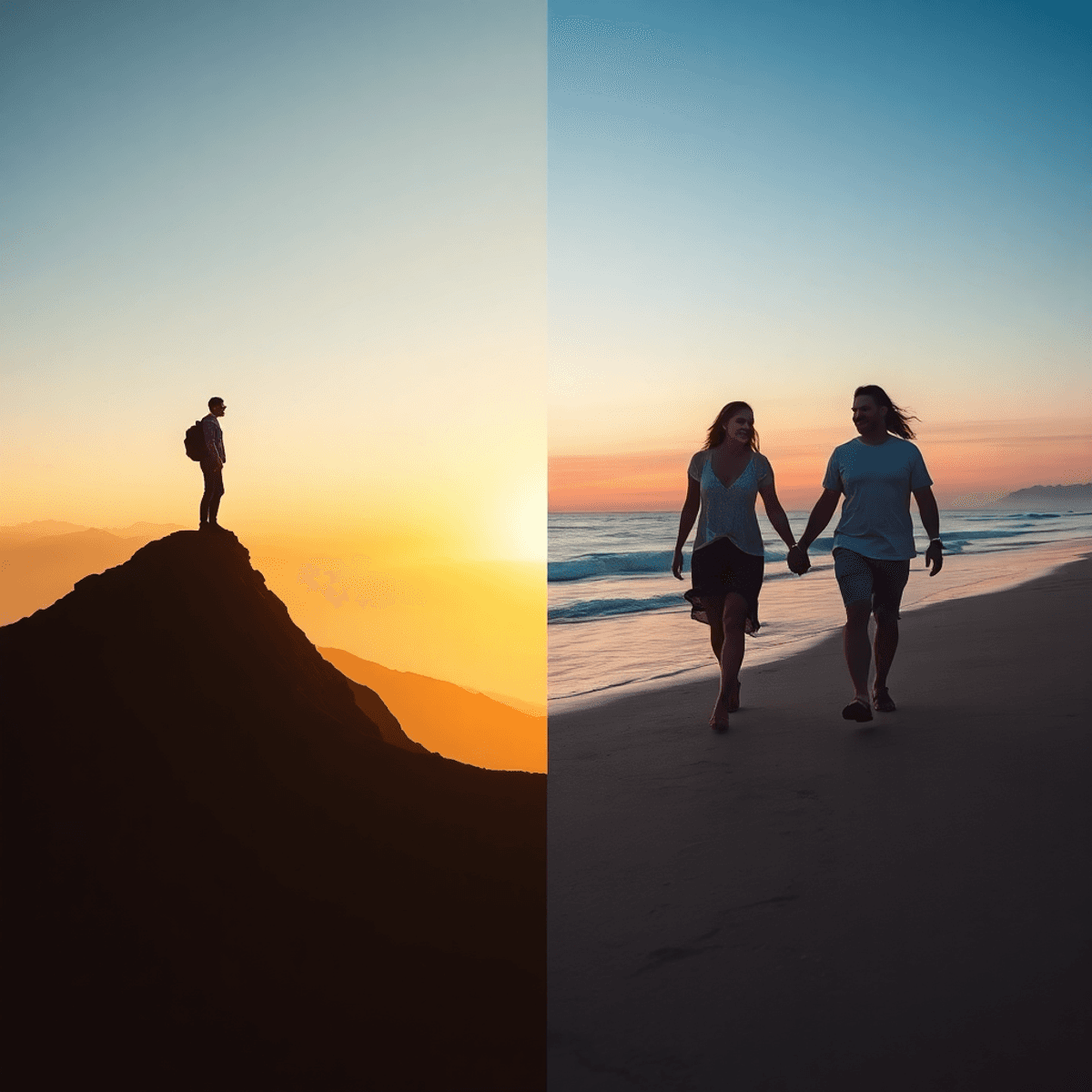
Travel changes the way you think in big ways, especially if you look at solo travel vs couple travel. In this article, we talk about how traveling alone can change your mind compared to when you go with a partner. We look at the way travel works on your mind and the different feelings that each style can bring. When you know about these effects, you can see more about growth for yourself, how people act in relationships, and what makes you feel good or bad inside.
Key areas covered include:
Mindset change that comes with going on trips alone compared to those you take with someone else
How to deal with problems that show up only in solo travel or when you travel as a couple, and how to find good ways to solve them
How romantic getaways help to grow bonds in a relationship, and how that is different from solo trips where you put focus on taking care of yourself
Talking about common feelings like FOMO (fear of missing out) and learning how to enjoy being alone or being with someone else
Readers will get to see how different travel styles can change how people feel, make choices, and enjoy new places and cultures. They will also see how it affects people’s feelings during the trip. If you are thinking about taking a trip alone to feel more like yourself, or if you want to plan travel with someone close, it's good to know how the mind works in both cases. This helps people pick what will be best for them, their wants, and their plans.
However, it is important to think about safety when you travel. Adding steps like CCTV intrusion detection can make you feel more safe during your trip. Also, being aware of things like the rise of fake CCTV can help you stay away from trouble.
The Psychological Foundations of Solo Travel
Solo travel is all about having the freedom to go where you want and do what you like. When you travel alone, you do not have to check with anyone about your plans. You get to call all the shots. You choose what to do each day, and you can change your plans any time you want. This can make you feel strong and free. Going alone can also help you learn more about who you are and help you grow as a person.
Some main things that shape the solo travel mindset are:
Freedom and Empowerment: Going to new places on your own means you have to face things you do not know yet. You must be brave to do this. This trip helps you feel proud and sure about what you can do. You learn to trust your own choices and your own gut feeling.
Self-Knowledge and Better Understanding of Yourself: When you spend more time alone, you get a break to think about your own feelings and thoughts. You are not shaped by what others think. People who travel by themselves often say they feel more clear about what they value, what they want, and where to draw the line.
Feeling Good and Less Worry: When you do things by yourself while you travel, there is less worry about what others might want or say. You feel more free. Handling trips alone helps you feel strong and in control as you turn new or strange things into steps you know you can take.
Growing Stronger and Believing in Yourself: When you get through tough things—like missing a train, talking to people in a new language, or learning new customs—you feel stronger. Every problem you solve by yourself helps you trust that you can do more next time.
“Traveling solo taught me not just about distant places but about my own strengths I never knew I had.”
The thinking behind Solo Travel vs. Couple Travel often shows that solo trips are like a retreat for self-love. During this time, people can take care of their inner world without having to change things for anyone else. When two people travel together, they have to talk things out and share the experience with their partner. On the other hand, traveling alone gives you a chance to feel stronger and learn about yourself without breaks. You go through things head-on, and this helps shape who you are.
Looking into these main ideas in the mind helps us see why so many people pick solo travel. It shows that going alone can be good for your feelings and can bring a big change in your life.
The Psychological Dynamics of Traveling with a Partner
Traveling with a partner brings in a special couple travel mindset. This can change how the people feel with each other. Going on trips gives them good chances to grow together. The couple have to see new places and also deal with changes in how they act with each other. The time they spend together helps them feel closer and understand each other more.
Relationship Growth Through Shared Adventures
Couple travel often shows both strong parts and weak spots in the relationship. When two people face new things together, it helps them:
Joint problem-solving: Getting past surprises together helps the team feel close.
Discovery of complementary traits: You can see how each person’s skills and ways add to what the other has.
Creation of lasting memories: Good times help people make stories that keep their feelings strong.
Balancing Freedom and Compromise in Decision-Making
When you travel as a couple, you have to always talk things through with each other. You both need to work together and find what works for each of you. A trip alone means you feel totally free to do what you want, but when you go with someone, you must:
Active listening to hear what people want and worry about.
Finding common ideas in trip choices, like picking between going to see places or taking time to relax.
Flexibility to change plans without losing what makes each person happy.
This balance helps people get better at the way they talk with others. It also helps them feel for other people. Both of these things are needed for good relationships.
Emotional Highs and Lows Experienced as a Couple
Travel can make your feelings stronger. It can make good times feel even better, but hard times can feel tougher too.
Highs: Feeling amazed by the beautiful places you both see together or the excitement from quick, unplanned trips can give you more joy and a stronger bond.
Lows: Stress from things not going smoothly or from the two of you having different energy can lead to being upset or having arguments.
When couples know about these ups and downs in feelings, they can be more patient and strong together. This helps them keep their bond steady even when things change.
Nurturing Connection and Mutual Support
Traveling together helps couples give each other emotional support all the time. A couple can feel good when they help each other after a hard day or cheer each other on during small wins. Couples get stronger as they travel together, and it helps to build:
Trust by depending on one another.
Closeness by talking about personal things in new settings.
Collaboration in facing outside problems together.
This lively way of working together helps the relationship grow past daily habits. It adds more understanding between people and makes the partnership stronger.
Freedom vs. Compromise: Decision-Making in Solo vs. Couple Travel
The decision-making process in solo vs couple travel shows that there are important differences in how people think and feel when they travel alone or with someone. These differences also change how they enjoy their trips.
Navigating Choices Without Negotiation in Solo Trips
Traveling alone gives you full control over every part of the trip.
Freedom: Every choice—from where to go to what to do each day—is made by you. There is no need to talk with others or agree on things.
Spontaneity: The plan can change as you feel, or because of outside reasons, and you do not need to check with anyone.
Knowing Yourself: A solo traveler learns to trust their own thoughts and what they like. They stick to what matters in their own life by making choices on their own.
Problem-solving: Hard times give a chance to depend on yourself. You grow stronger as all the answers have to come from you.
This open freedom helps shape how the mind works. People start to look more at who they are and get better at changing with new things.
Negotiating Preferences During Couple Travels
Couple trips bring a new level of dealing with how people feel and act with each other when they make choices together.
Communication: Open talk is important to share what each person likes and wants.
Finding Common Interest: Partners should find what they both enjoy, no matter if it is things to do, where to eat, or places to stay.
: Take turns picking what to do each day. This helps give both people what they want.
Choose the top picks for each person and make sure those happen. For other things, be open and let plans change if needed.
Set goals together. Make sure the plans fit what you both think is important and help you grow closer.
:** When people do not agree, it can cause stress. To solve the problem well, you need to be patient, be ready to change your plans, and try to understand how the other person feels.
This balance of freedom and giving in helps couples get better at talking things out. These skills are not just for travel. The couple can use them in daily life as well.
The contrast between solo travelers’ unilateral decisions and couples’ negotiated choices highlights how travel styles influence psychological processes related to autonomy, cooperation, and mutual respect.
Knowing about these differences in how people make choices helps us see how traveling alone can make a person more independent. Traveling with a partner, on the other hand, helps people work together and share what needs to be done.
Social Dynamics and Interactions While Traveling Alone or as a Couple
The way people live their social life when they travel alone is not the same as when they travel as a couple. These changes can shape how someone grows and change the way they feel about others. When you travel alone, you may feel more ready to talk with new people. This is because you do not have your usual friends or loved ones around. You may feel the need to look for new friends.
This open feeling can help you practice skills. You get better at starting to talk, listening, and wanting to know more about new places and ways of living. A simple example is:
Solo travelers can talk with local people at markets or join group tours. These things help them get to know new points of view from many people.
Random talks often lead to great moments and friends you did not plan for, and this helps you feel good.
The way you act and feel plays a big part in how you deal with other people. If you travel alone and feel shy, you may feel it is hard to talk to others at first. But you can feel proud and grow after you try. People who enjoy being with others often feel happy and full of energy when they meet new people while they travel.
Unlike traveling alone, when couples go on trips together, they spend more time with each other. These can be special moments that bring them closer. When two people are in a place they do not know well, they need to help each other. They must work together to decide where to eat, what things to do, or how to talk with people in that new place. Such moments of doing things together make their trip feel more meaningful.
Build better ways to talk with each other. Find a balance between what each one likes and what the group wants to do.
Make strong memories together through fun trips and shared time.
Couples get help from each other when they meet people and talk with them. It is easier to deal with cultural differences or speaking problems when you go through them as a team. Finding new things together can make a couple feel closer. Sometimes, getting upset can show where people need to grow, have more patience, and learn from each other.
The way people spend time with others while they travel can change based on their goals. If someone travels alone, they may want to feel close to local culture. They often try to learn about themselves. A solo traveler may also meet many kinds of people. But when two people travel together, they may want things that make their bond stronger. Couples often try to make memories they both can share later.
Guides to help you make choices about handling social situations are:
For solo travelers: Be open and curious with new people. This can help you feel close to others, but always remember to look out for your own safety.
For couples: Try to see things from your partner’s view and be willing to meet halfway. This helps both of you feel good about talking with others, and you can both go at your own speed.
These different but matching social ways show important sides of the mind that are special to each travel style.
Challenges Unique to Each Travel Style and How to Overcome Them
Travel styles bring their own set of daily and mental challenges that shape the travel experience. Solo travelers feel more alone and worry about safety more than people who travel in pairs. Couples face other types of challenges, like how they connect and share the load.
Challenges Faced by Solo Travelers
Feeling Alone and Social Isolation: Being by yourself in new places can make you feel very alone. This can get worse at night or when you have trouble talking with others because of language or culture.
Safety Risks: Going around new places on your own means you need to pay more attention to your own safety. A solo traveler can be an easier target for scams, theft, or problems because they do not understand what local people do.
Trouble Meeting New People: Traveling alone can help you talk with strangers. But starting a new friendship in a place you do not know can feel scary or hard.
Practical Tips for Solo Travelers
Research Local Customs: Before you get there, learn about the local rules, how to dress, and how people act in public. This way you can avoid problems and feel at home in that place.
Stay Aware: Keep an eye on what's going on around you. Try not to go into quiet or empty places at night. Listen to your gut if things feel wrong. Using tools like thermal imaging technology can help you feel more safe, because you get to see better when it’s dark.
Join Group Activities: You can join tours, sign up for classes, and stay in places like hostels. These ways help you meet other people and feel at home in a new place.
Use Technology Wisely: There are apps to help you find your way, speak a new language, or ask for help in an emergency. These can be a good support when you travel by yourself.
Personal Anecdote: After traveling globally with a partner, embracing solo travel revealed a new layer of self-reliance but also an initial struggle with solitude in unfamiliar cities. Joining local cooking classes helped dissolve loneliness while deepening cultural immersion.
Challenges Faced by Couples on Trips
Couples often run into problems when they try to balance what they want for themselves with what they want together.
Decision-Making Conflicts: People may want different things or have different amounts of energy. This can make it hard to agree on what to do each day or how fast to travel.
Dependence Dynamics: When you rely too much on each other, you might not have many chances to go out alone or grow as a person during the trip.
To deal with these issues, it helps to talk openly about what you need and what is okay for you. Give space for each person to live their own life too, even while you go through things together.
Both people who travel alone and those who go with a partner face their own set of problems. These can come from who they are, where they go, and what they want to do on the trip. If you know about these problems early, you can get ready for them and have a good trip, even when things get in the way.
Practical Considerations: Budgeting, Planning, Packing Light When Traveling Alone or With a Partner
Traveling by yourself or with someone else brings its own sets of money, planning, and packing changes. These changes shape the way you feel on your trip in different ways.
Budgeting Pros and Cons for Solo vs Couple Trips
Solo travelers often pay more money per person. This is because many places to stay and things to do ask for payment for each person. But, solo travel gives people a way to:
Use single traveler discounts that many airlines, hostels, and tours offer now.
Be able to choose how you spend your money without having to settle with others.
Change your budget as you go, based on what you like.
On the other hand, traveling with a partner can open up money-saving perks such as:
Sharing the cost for a place to stay, like hotel rooms or vacation rentals.
Splitting the money we spend for things like getting around, food, and going on tours.
Getting couple deals or group price cuts at some places.
But, when two people make a budget together, they need to talk things through to keep both of their money habits and hopes in balance. One person might like to spend on nice things, and the other wants to save money. How they handle these differences will change how much they spend when they travel.
Planning Flexibility Differences
Planning trips alone gives you full control over making your own travel plans. With this freedom, you can change your route or stay longer if you want, and you do not need to get anyone else to agree. You get to move at your own speed. This can make your trip feel better, but you still have to manage your time well on your own.
Couple travel planning needs both people to work together. They need to make sure each person’s likes and energy levels are kept in mind. This way, the trip can be better because you get ideas from both sides. But, you may need to make some give and take, like:
It is important for everyone to pick where to go and what to do.
You need to mix rest days with days you go out and see things.
Try to line up your everyday plans.
Good communication skills help to make planning better. They also lower stress when people want different things.
Packing Light vs. Packing for Two
Packing light is easy when you travel alone. There are limits for bags, and you do not have to bring much. When you travel by yourself, you can pick what is needed for you. You do not need to think about what another person wants or needs.
Couples often have to deal with carrying twice the gear. At the same time, they try to not pack too much. Here are some ways to handle this:
Split shared items like toiletries and electronics.
Plan clothes for the weather and what you will do.
Pick items that have more than one use to save space.
Good packing can lower the load on your body when you travel. It also helps make the trip feel better for a person.
The way that budgeting, planning, and packing come together can shape how people feel when they travel. This happens whether they travel alone or with others. These things do not only affect plans and steps, but they also change the way people feel and think when they travel solo or with company.
Emotional Highs and Lows During Solo Versus Couple Travel
The emotional experience in solo vs couple trips shows clear patterns, which depend on if you travel alone or with your partner. When people go on their own, they feel many different things. There is a feeling of freedom that can make you feel excited. But, at times, you might feel very alone.
Emotional Fluctuations Unique to Solo Travelers
1. Solitude-Induced Highs
Traveling alone gives you time to think quietly and make quick choices. This kind of freedom can bring you joy and help you feel strong. It can also help you learn more about who you are. Many people who travel by themselves say that these feelings are freeing. It is a chance to really take control of your trip without having to give in to others.
2. Loneliness Dips
Even with all the excitement, you may feel alone at times. This can happen at night when it is quiet, or when you face problems with culture or language. These times can feel hard. But they also let you grow. You can learn how to embrace solitude positively.
“Going solo taught me that feeling lonely isn’t the same as being alone. It’s a call to connect deeper—with myself first.”
Emotional Dynamics Within Couples
When you travel as a pair, you get many new feelings together. There is a lot of being close. Sometimes, there is also some fighting. But you go through it all together.
1. Moments of Togetherness
Sharing new adventures can help people feel close by learning and helping each other. When you enjoy new things as a group, you often make memories that stay with you. This can also make your connection feel strong.
2. Potential Conflict
Being in close spaces and having different likes can cause tension. For example, when couples go on a bikepacking trip to new places, they might run into trouble that needs patience and talking well. But these moments also help people learn a lot about experiencing joy and managing conflict, and this can make their relationship better if they handle things in the right way.
Aspect | Solo Travel | Couple Travel |
Emotional Highs | Empowerment, self-awareness | Connection, shared joy |
Emotional Lows | Loneliness, isolation | Disagreements, compromise stress |
Knowing about these moods helps travelers see and get ready for both good and bad moments that come with how they travel. You may want to go solo to think about yourself. Or, you may want to be with someone to feel close. Each trip helps people get strong in dealing with feelings in its own way.
Cultural Immersion Depth in Solo vs Couple Travel
How people see and feel the local culture is different when they travel solo or as a couple. This is because the way you get involved and what you pay attention to changes with the style of your trip.
Solo Travel: A Deeper Dive into Culture
Solo travelers often feel a stronger bond with the culture. This happens because there are no distractions. They also need to talk with local people on their own. Being independent like this leads to:
Unplanned interactions: When you travel by yourself, people feel more at ease talking to you. This can lead to real and honest chats with the local people.
Changeable itineraries: When you don’t need to match your plans with anyone, you can stay longer in places full of culture or try new things as they happen.
Better sensory awareness: Going alone helps you notice more. You pay closer attention to how people act, how they speak, and the old ways they follow.
These things come together to help solo travelers get a better feel of the local culture. They try to understand more than what most tourists see or do.
Couple Travel: Balancing Interests for Cultural Connection
Couples deal with a different situation. They must figure out how to enjoy things together. They talk about which cultural activities they want to do as a team. Doing things this way can help their bond grow strong. But it can also stop each person from doing what matters just to them. Some ways that couples connect with culture together are:
Alternating activities: Each person in the couple gets to pick some places or events from the culture that they want to see. This way, both can follow what they like and also learn new things together.
**: Taking part together in things like culture-focused workshops or cooking classes helps both people understand and feel closer to one another.
Mindful presence: Couples who spend time together fully, like going to a local festival, can feel closer in their relationship and to the culture around them.
In this way, couples build deeper cultural ties by doing things together. They spend time with the people and places around them, and also feel close in their own group as they find new things together.
The choice to travel alone or with a partner can change how much and how well you feel part of a culture. When you travel by yourself, you might dive in more and feel things in your own way. Traveling as a couple lets you share these moments together and build memories with someone else. Both ways give you the chance to connect in a deep way with new places and things people do.
It is interesting that these ways to travel affect more than just your own experiences. They also help shape wider cultural perceptions. This means they change how cultures are seen and valued in many places.
Safety Considerations for Solo Travelers and Couples
Traveling by yourself and traveling with someone else have their own safety risks. These risks can change the way you plan your trip and how you feel during the journey. It is important to know about these risks and find good ways to deal with them. This helps you feel safe and change the way you act while on the road.
Safety Risks Unique to Solo Travelers
Higher risk: Solo travelers can be more open to risks when they are alone, like theft, scams, or being bothered by others.
Local laws and customs: It is important to know culture rules and local laws. A solo traveler needs to read about these things well to not upset people or break the law by mistake.
Knowing what’s around: When there is no friend to help keep watch, solo travelers have to stay alert when they are in busy places, using trains or buses, or walking in new parts of town.
Packing smart: Carry only a few valuable items, use bags that are hard for thieves to open, and keep numbers for emergencies close by. This helps to lower the risk.
Keeping in touch: Checking in often with your family or friends at home is a good way to feel safe.
“Traveling alone sharpens your instincts; every decision weighs more heavily when you’re the only one responsible.”
Safety Strategies for Couples
Shared watchfulness: Partners can help keep each other safe by looking around together and telling each other if they see something odd.
Division of roles: One partner may read maps and help find the way, while the other looks after the bags. This way, each person has less to worry about.
Mutual support during emergencies: If someone feels sick or something happens, having another person means you can get help faster.
Joint packing considerations: Couples often share the job of packing, bringing things both people need along with items like first aid kits or phone chargers that help keep them safe.
Compromise on risk-taking: Decisions about doing fun but risky things are often talked over, so both people feel safer about what they do.
Safety is something solo travelers and couples both need to think about. When you travel alone, you have to be more careful and look out for yourself at all times. You are on your own, so you must watch what is happening around you. When you travel as a couple, you have someone else with you. You share the job of staying safe, but you still need to talk to each other to make sure you both feel good and have fun. No matter how you travel, it helps to plan ahead and make those plans fit your way of traveling.
Personal Growth Outcomes from Solo Versus Couple Travel
Personal development through solo vs couple trips takes different forms. These forms be shaped by the kinds of trips you go on. Solo adventures feel different than trips you do with your partner.
Solo Adventures: Independence and Self-Love Retreats
Fostering independence: Traveling alone takes away the need to depend on others for making choices and fixing problems. When you travel on your own, you get better at trusting yourself. You feel more sure about handling new places.
Clarity of purpose: Solo trips let you spend time thinking about what you want without anything getting in the way. You can look at your values, goals, and wishes. This time to yourself makes it clearer what you want in life. A lot of people come back from travel with more drive and a clear mind.
Self-love retreats: Going somewhere new by yourself helps you feel better about who you are. It is a way of taking care of yourself. You get to do what you need to feel good. Being alone in a new place can help you feel better inside and feel more at peace.
Example: A traveler spending weeks exploring cultural sites solo may journal daily, uncovering passions or resolving internal conflicts previously clouded by routine life.
Couple Adventures: Nurturing Relationships Through Shared Experiences
Shared challenges: When you go through things you did not expect—like missing a flight or not knowing the language—you both get better at working together and talking things out. Solving these problems as one makes the respect between you stronger and helps you bounce back from tough times.
Joyful bonding moments: Seeing amazing new places or joining in on big festivals with your partner makes memories you will remember for a long time. You feel closer and happy as you share these new things with each other.
Emotional growth: Couples learn to give and take, and be calm with each other by working through what each of them likes. Dealing with these new ways of travel helps you understand your partner more and lets both of you go with the flow.
Example: A couple hiking through remote trails may rely on each other’s strengths, finding renewed appreciation for their complementary qualities.
Both ways of traveling help people grow in different ways. Going on a trip alone lets you look inside yourself and feel stronger. Traveling as a couple helps build a strong bond because you work together as a team. Knowing what each type brings can help you pick the trip that matches what you want to learn and how you want to grow.
Real-Life Stories Illustrating Psychological Impacts
Real-life travel stories show how people feel and change when they travel alone or with a partner. These stories help us see changes in thinking, how people feel, and how they act with others. The way you travel can shape these things in your life.
Solo Travel Story: Embracing Solitude and Self-Discovery
Case: Alex’s solo journey across Southeast Asia
Alex went on a six-month trip by himself after his long, serious relationship ended. At first, he just wanted to get away from his normal life. But soon, this became a time for him to really find out more about himself. The journey made him spend a lot of time alone. Alex says these quiet times were hard but also made him feel free.
“At first, the silence was deafening. But gradually, I learned to listen—not just to the world around me but also to my own thoughts. It sparked clarity and helped me redefine what I want from life.”
This story shows how solo travel can help you change the way you think. When you travel alone, you start to worry less about what other people think of you. You begin to trust and feel sure about yourself more.
Alex’s trip helped him get better at handling new places by himself. This gave him the strength to face daily life with more trust in what he could do after he got back.
Couple Travel Story: Growing Together Through Shared Adventure
Case: Mia and Jordan’s European backpacking trip
Mia and Jordan wanted to see Europe together for three months before they got married. Their trip had a lot of back and forth. They needed to pick places to visit, keep track of how much money they spent, and find a way to do things the both of them liked. They also dealt with other travel problems. They missed some trains and sometimes had trouble understanding people who spoke other languages.
“We had moments when frustration bubbled over, but those times taught us patience and communication,” Mia recalls. “Sharing both the joy of discovering new places and the challenges made our bond stronger.”
Their experience shows how couple travel fosters mutual support.
It means you have to be flexible but still hold onto some of your own wants. Changing how you think is about moving from 'me' to 'we'. You start to see giving in a bit as a way to show love, not as losing out.
Key Lessons from Contrasting Experiences
Solo travelers often get to know themselves better and feel more clear-headed because they have time alone with their thoughts.
Couples learn new ways to deal with feelings that help them become closer as they go through life’s changes together.
Both ways help people practice mindfulness—the solo path by being with their own thoughts, and the couple’s way by being in tune with each other.
These real-life examples show that when you pick to travel with your partner or go by yourself, that trip changes how you feel and think. The way the people act with each other while traveling helps shape the journey. These times can also lead to good mental health changes that add even more to your whole travel experience.
Planning Your Next Trip: Choosing Between Going Solo or Bringing a Partner
Choosing the best way to travel calls for you to think about your own needs. You want to look at things like who you are, what you want to get out of the trip, and how you get along with others. This decision-making guide for choosing between solo or couple travel helps make it clear to you what will fit your feelings and plans right now.
Key Factors to Evaluate
Personality Fit Introverted travelers may feel good when they go on trips alone. They enjoy the freedom to get into new things on their own. People who are more outgoing often feel the energy from sharing a trip with their partner.
Goals Alignment Know what you want from the trip. If you want to find yourself or feel more free on your own, going alone is good. If you want to make memories with someone or feel close, it can be nice to travel with a partner.
Relationship Dynamics Consideration Look at how you talk and solve problems with your partner. Couples who can make choices together without much trouble will do well with trip planning and handling any changes together.
How Traveling Alone Shapes Your Mindset vs. Traveling with a Partner
Solo travel helps you depend on yourself. You become better at changing and knowing what you want. You make all the choices, and that lets you be in charge of what happens. This can help you learn a lot about yourself and feel sure about who you are.
Traveling with a partner helps both people feel close and have a good time by facing hard things together. It makes your feelings for each other stronger. You both have to find a balance between what each of you wants. You also work as a team on the trip.
Reflect on your current needs—whether craving introspection or connection—to make an informed choice that enriches your journey.
Planning your next trip can help you see new places. It can also help you learn more about yourself or your relationship. This can happen if you choose your travel style with care.
FAQs (Frequently Asked Questions)
How does solo travel influence personal growth and mindset compared to traveling with a partner?
Solo travel helps you find out more about yourself. It is good for your emotions and can help you feel better. When you travel alone, you make more choices and feel more free. You have to do many things by yourself, which helps you grow. Facing hard times on your own helps you feel stronger and more sure of what you can do. Over time, your way of thinking may change and you start to grow as a person.
When you travel with someone, you share fun times with that person. You both help each other and feel close. This helps your relationship get stronger. You still learn and grow, but you do it together.
What are the psychological benefits of traveling with a partner versus traveling alone?
Traveling with a partner can help your relationship grow. You both get to share new experiences, talk things out, and feel closer. There is a mix of freedom and working together. This can help you feel more connected and give each other support.
But when you travel on your own, you feel strong and free. You get to think more about yourself. Being on your own can make you feel calm and more sure of yourself. It helps you feel good and face hard times with more strength.
How do decision-making processes differ between solo travelers and couples during trips?
Solo travelers have full control and can make choices without talking things over with others. They can do what they want and change plans to fit their own goals. Couples, on the other hand, have to talk to each other and share decisions. They need to make sure both feel good about what they choose to do. This means they both have to talk things out and be ready to give and take.
What social dynamics are unique to solo travel compared to couple travel?
Solo travelers often talk more with new people. This helps them get better at talking with others and learn about the culture, since they have fewer things to take their mind away from the moment. Because of this, they meet more people and feel close to them. Couples spend their time together and enjoy the trip as a pair, which can make them feel closer. But, this can also mean they may not talk much with other people because they pay most of their attention to each other.
What are common challenges faced by solo travelers versus couples, and how can they be overcome?
Solo travelers may feel alone and can have safety worries. To deal with this, read about the local ways of life. Always notice what’s around you. Try to take part in things with other people.
Couples may fight when they want different things or feel strong up and down. To get past these problems, talk with each other in a clear way. Find ways to meet in the middle and help each other as you travel.
How should budgeting and packing strategies differ when traveling solo versus as a couple?
Solo travelers get to enjoy money flexibility. Many times, there are special lower prices for people who travel alone. They can also pack only what they need and keep it light. Couples need to think about how they will plan together for costs and handle the money they'll use. Still, there are some deals made just for couples. When packing as two people, you have to work out who takes what. This helps both have what they need and use space well.
Comments
Post a Comment