Chapter 1: The Cultural Roots and How People See Age-Gap Relationships in the Philippines This chapter talks about age-gap relationships in the Philippines. It looks at where these ideas come from in the culture and what people think about them today. The text shows how old stories, family, and even friends can change how people feel about age between partners. There is also a focus on the way families in the Philippines value respect. Real traditions and ways of the old times can still shape what many feel or say about age- gap love now. The chapter also tells who cares about the age-gaps between couples in the country and why. Some might see it as a good thing because of wisdom or support from older people. Other people may feel that a big age difference is not good, or even feel worried about the reasons behind such a match. How age and love mix in the Philippines comes from both the past and what people feel is right today. This chapter talks about where age-gap relationships...
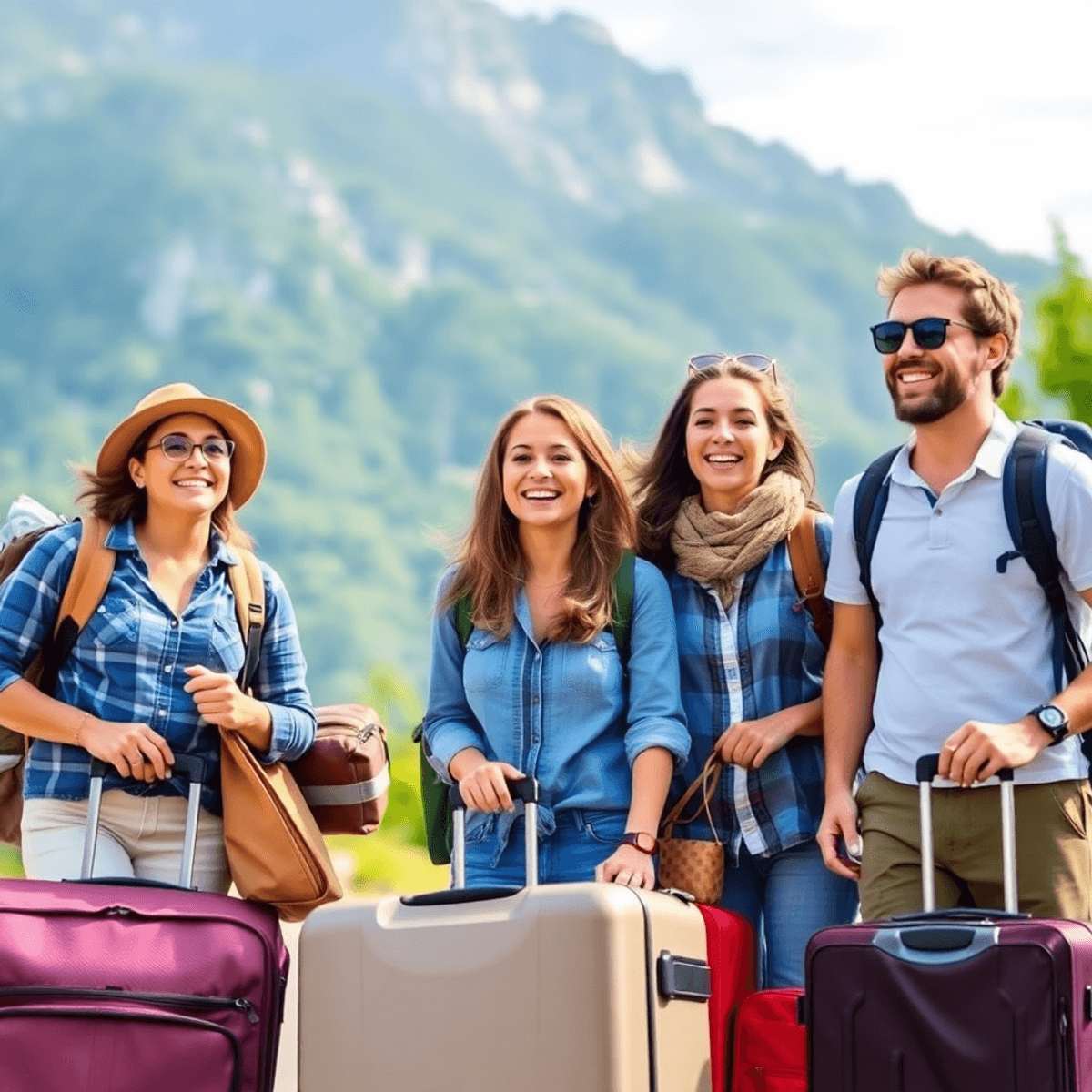
Traveling together offers unique joys—whether you're a couple embarking on your first trip together, a group of women traveling together, or even strangers brought together by a shared itinerary. Exploring new places with others creates memories that last a lifetime. However, traveling together also presents challenges, especially when health issues arise.
What to Do When You Get Sick While Traveling Together becomes crucial information in these moments. Illness can disrupt plans, dampen spirits, and impact everyone’s experience on the trip. A single person falling ill may affect the whole group’s activities, leading to canceled excursions or altered schedules. This is true whether you travel the world together as a couple or share adventures in larger groups.
Preparing for health challenges before departure strengthens your ability to manage sickness if it occurs during travel. Knowing how to stay healthy and what steps to take when illness strikes helps preserve the fun and connection that make traveling together so rewarding. This article guides you through practical tips and insights on staying well and handling sickness while on the road with companions—helping you focus more on discovery and less on disruption.
However, amidst all the planning and preparation, it's also essential to elevate your lifestyle while traveling. This includes understanding the latest trends in luxury accommodations that can provide comfort and convenience during your travels.
Preparing for a Healthy Trip Together
Preparation before travel is crucial to protect your health and that of your travel companions. Here are some steps you can take to ensure a healthy trip:
Check Your Health Insurance Coverage Overseas
Many standard health plans do not cover international medical costs, or they may only offer limited benefits. Understanding what your policy covers can save you unexpected expenses abroad.
Consider Purchasing Short-Term Travel Health Insurance
This type of insurance fills gaps in your primary coverage, providing access to local healthcare providers, emergency evacuation, and sometimes even trip interruption benefits. It’s especially important if you're traveling to countries where medical care costs are high or if you have pre-existing conditions.
Organize All Essential Documents
Create a dedicated travel folder or app to keep all important documents together:
- Health insurance ID card
- Claim forms or policy details
- Passport with emergency contact information
- Copies of prescriptions
Having these on hand can speed up treatment if illness strikes.
Obtain Letters from Your Healthcare Provider
Ask your healthcare provider for letters detailing any pre-existing conditions and current prescriptions. These documents serve multiple purposes:
- Facilitating communication with foreign doctors
- Ensuring you comply with customs regulations for medication importation
- Preventing delays at airport security
Enroll in the Smart Traveler Enrollment Program (STEP)
If you're a U.S. citizen, consider enrolling in the Smart Traveler Enrollment Program (STEP) offered by the U.S. Department of State. STEP registers your trip details with the nearest U.S. embassy or consulate, which can be invaluable if you require emergency assistance such as locating healthcare facilities or receiving urgent notifications about local health risks.
Address Common Questions About Colds During Preparation
Being informed about colds can help you better prepare for potential health issues during your trip. Here are two common questions travelers often have:
- Can you get a cold from being cold?
- Can you get a cold from cold weather?
The answer lies in understanding that colds are caused by viruses, not temperature itself. However, cold weather can weaken your immune response and increase time spent indoors where viruses spread more easily among group members.
Being thorough in these preparations equips you to handle unforeseen health issues more confidently while traveling together.
Packing Smart to Stay Healthy Together
A well-prepared travel health kit is essential for managing minor illnesses and preventing infections while on the move. Include items that cover common needs and unexpected situations:
- Prescription medications tailored to each traveler’s health requirements.
- Over-the-counter remedies such as pain relievers, anti-diarrheal tablets, allergy medicine, and antacids.
- Protective supplies like masks and disinfectant wipes to maintain hygiene in crowded or public spaces.
- A digital thermometer to monitor fevers accurately.
- Hand sanitizer with at least 60% alcohol content for quick hand cleansing when soap and water aren’t available.
When packing medications while traveling, always keep them in their original, clearly labeled containers. This practice helps avoid confusion at customs and ensures legality in the destination country. Some medications may be restricted or require special documentation—check ahead to prevent issues. Carrying a doctor’s note or prescription can smooth this process.
Groups or couples traveling together often have different health needs. A simple rule: couples who travel together stay together not only in spirit but also in preparedness. Customize the travel health kit by including:
- Specific medications for each person, respecting individual allergies or chronic conditions.
- Vitamins or supplements taken regularly by any group member.
- Additional comfort items like moisturizing lotion or lip balm if someone tends toward sensitive skin.
Packing smart means anticipating the unique needs of your travel companions while ensuring all essentials fit neatly into your luggage without creating excess bulk. This strategy keeps everyone ready to tackle minor health hiccups without disrupting shared plans or experiences.
Preventive Health Measures During Travel Together
Maintaining good hygiene while traveling is a key step in preventing illness from spreading among your group. Encourage frequent handwashing with soap and water, especially before meals and after touching common surfaces. When handwashing facilities aren't available, use alcohol-based hand sanitizer. Keep small bottles accessible for everyone to use throughout the day.
Food choices play a critical role in how to not get sick on trips. Avoid street vendors or places where food hygiene is questionable. Opt for freshly cooked meals served hot, and steer clear of raw or undercooked items unless you know they are safe. Drinking bottled or filtered water reduces the risk of food poisoning when traveling together. Be cautious with ice cubes, as they may be made from untreated water.
Adequate rest strengthens immune defenses during travel. Busy itineraries can lead to fatigue, which lowers resistance to infections. Schedule downtime and prioritize sleep for all group members to maintain energy and health.
COVID-19 protocols remain important in many destinations. Mask-wearing in crowded or enclosed spaces reduces transmission risk, particularly when illness is going around. Practice social distancing when possible, and stay informed about local guidelines that may change rapidly. Carry extra masks and sanitizing supplies in your travel health kit.
Here’s a quick checklist to help your group stay healthy:
- Wash hands frequently with soap or use sanitizer.
- Eat at reputable places; avoid risky foods.
- Drink safe water; avoid ice if uncertain.
- Get plenty of rest each night.
- Wear masks in crowded areas.
- Keep up with local COVID-19 rules.
These preventive efforts not only protect individual health but also ensure the entire group enjoys a smoother, more enjoyable trip without interruptions caused by sickness. Understanding what to do when you get sick while traveling together starts with doing everything possible to stay well in the first place.
Understanding Common Illnesses While Traveling Together
Traveling can be exciting but also physically and mentally demanding. Can you get sick from stress while traveling? The answer is yes. Stress and fatigue take a toll on your immune system, making you more vulnerable to infections. This explains why some ask, why am I always getting sick on trips? The constant change in environment, disrupted sleep patterns, and travel-related pressures weaken your body's defenses. It's not just during trips that people fall ill; some may also experience frequent sickness during their time off work, leading to the question, why do I always get sick when I'm off work? which could be attributed to similar stress factors.
Common illnesses among travelers
Common illnesses among travelers often include:
- Colds and respiratory infections: Close contact within groups or crowded transport increases the chance of spreading viruses.
- Gastrointestinal issues: Changes in diet, water quality, or exposure to unfamiliar bacteria can cause stomach upset or food poisoning.
- Allergic reactions or irritations: New environments might trigger allergies or skin irritations.
Symptoms to watch for include sneezing, coughing, sore throat, nausea, diarrhea, abdominal cramps, and general fatigue. Within a group, illness can spread quickly if one person is infected. Shared accommodations and group activities increase the risk of transmission.
How stress affects your immune system
Stress itself triggers physiological responses that reduce immune function. Elevated cortisol levels suppress white blood cells responsible for fighting pathogens. Lack of rest and poor nutrition during travel compound this effect.
Awareness of these factors helps you recognize early signs of sickness and take prompt action to protect yourself and others in your travel party. Understanding can you get sick from stress clarifies why managing rest and stress is as crucial as hygiene practices during your trip together.
What To Do If Someone Gets Sick While Traveling Together
Falling ill during a trip can be stressful, especially when you’re with others counting on shared plans. If you get sick while traveling together, taking prompt and thoughtful action helps protect everyone’s health and keeps the trip on track.
Immediate Steps to Take
- Rest: Encourage the sick traveler to rest as much as possible. Physical rest supports the immune system’s fight against infection.
- Monitor symptoms: Keep a close eye on any changes in health — fever, worsening cough, dehydration, or severe pain require urgent attention.
- Hydration and nutrition: Even if appetite is low, drinking fluids and eating light meals when possible aids recovery.
- Avoid spreading illness: Practice good hygiene to reduce transmission. Use masks if respiratory symptoms are present and disinfect commonly touched surfaces.
Seeking Medical Care Abroad
Understanding can you get sick by being cold or why why am I always getting sick can be complex; stress, fatigue, exposure to new germs, or weakened immunity often play bigger roles than temperature alone. When symptoms persist or worsen, seeking medical care abroad becomes necessary.
- Locate local healthcare providers early to avoid delays.
- Contact the nearest U.S. Embassy or Consulate for assistance. They can help identify reputable clinics or hospitals and provide guidance on accessing care.
- Keep important documents handy: health insurance info, ID cards, prescriptions.
- Remember that payment for medical treatment abroad is usually your responsibility.
Being prepared for this situation minimizes disruption and ensures timely care. Knowing what to do if someone falls ill lets you handle sickness calmly and effectively while traveling together.
Managing Illness in Group Travel Scenarios Including Strangers Traveling Together
Traveling with strangers brings unique health challenges. You don’t share the same medical history or daily habits, so clear communication about illness symptoms becomes essential to protect everyone’s well-being.
1. Establish communication protocols early
Agree on how and when to report feeling unwell. This can be a quick group chat message or a private conversation with the trip organizer.
Use simple symptom checklists shared among group members to make reporting straightforward and non-intrusive.
2. Respect privacy but prioritize transparency
Each traveler should feel comfortable sharing relevant health information without fear of judgment.
Encourage openness about symptoms like fever, cough, or stomach issues that could affect others.
3. Create a plan for managing sickness within the group
Decide who will assist the sick person and how to handle shared spaces, meals, or transportation to minimize contagion risks.
Identify local healthcare resources collectively so everyone knows where to seek help if needed.
Sharing these measures helps maintain trust and safety when traveling with strangers. The traveling together journal approach—documenting experiences and health updates—can also support better coordination and reduce anxiety about illness during group adventures.
Adopting these traveling with strangers health tips makes your journey smoother, safer, and more enjoyable for all involved in your travel with a group of strangers.

Special Considerations for COVID-19 When Traveling Together
Traveling during the pandemic requires focused attention on COVID-19 safety while traveling together. Each destination may have unique entry rules, testing requirements, or quarantine mandates that change frequently. You must:
- Research destination-specific COVID-19 entry requirements before departure. Check official government or embassy websites to understand vaccination proof, testing timelines, or health declaration forms needed.
- Prepare a dedicated COVID-19 kit for your group. This kit should include:
- Rapid antigen tests to quickly detect infection.
- A supply of high-quality masks (N95 or equivalent) for use in crowded or indoor settings.
- Alcohol-based hand sanitizers to maintain hygiene when soap and water are unavailable.
Having these items readily accessible reduces risk and helps manage unexpected situations promptly. Even if restrictions appear relaxed at the destination, staying vigilant protects not only you but everyone in your travel group.
Consider packing extra masks and tests tailored to the size of your group. Assign responsibility for monitoring symptoms and adherence to safety measures among members to keep everyone informed and accountable.
Adapting your plans based on local COVID-19 guidelines ensures smoother travel experiences and minimizes disruptions caused by sudden outbreaks or rule changes.

Maintaining Mental Well-being While Sick on a Trip Together
Traveling with others can bring joy but also emotional strain when illness strikes. You might wonder, can you get sick from stress while traveling together? Stress weakens the immune system, making it easier for viruses or bacteria to take hold. Falling ill away from home, especially in unfamiliar surroundings and among companions, can amplify feelings of vulnerability and frustration.
Acknowledging this emotional impact is the first step toward maintaining mental well-being during sickness on a trip. Illness often disrupts plans and social dynamics, which may lead to anxiety or guilt about being a burden. Recognize these feelings as normal and communicate openly with your travel partners.
Support within couples or groups plays a crucial role in coping:
- Encourage honest sharing of how each person feels without judgment.
- Offer practical help, such as managing medications, fetching water, or handling logistics.
- Create quiet spaces for rest and recovery, respecting each individual’s need for downtime.
- Maintain positive interactions, using humor or light conversation to lift spirits when appropriate.
- Be patient and flexible with itinerary changes caused by illness.
Groups that prioritize emotional support tend to recover faster and maintain stronger bonds during challenging times. Remember that caring for each other’s mental health is just as important as addressing physical symptoms while traveling together.

Post-Recovery Tips for Returning Healthy From Trips Taken Together
Recovering after illness on a trip together requires intentional care to ensure you fully regain strength before jumping back into activities or further travels. When you get sick while traveling together, your body needs time to heal without additional stress or exertion.
Key steps to support recovery include:
- Prioritize rest: Give yourself and your travel companions ample downtime. Rest supports the immune system and helps prevent relapses.
- Hydrate and nourish: Drink plenty of fluids and eat balanced meals rich in vitamins and minerals to rebuild energy. Incorporating foods that boost immune health can be particularly beneficial during this recovery phase.
- Monitor symptoms: Keep track of ongoing or returning symptoms. If any worsen, seek medical advice promptly.
- Ease back into activities: Gradually resume sightseeing, physical activity, and social engagements rather than rushing into full schedules.
- Communicate openly: Share how you’re feeling with your group to adjust plans if needed. Better together travels thrive on teamwork and flexibility.
Allowing sufficient time for full recovery reduces the risk of prolonging illness or spreading it within the group. Respecting each other’s health needs after sickness fosters a supportive travel environment where everyone can enjoy the remainder of the trip feeling their best.

Conclusion
Traveling together brings unique joys and challenges, especially when health issues arise. Managing sickness while on the road requires a team approach—you and your travel companions working in sync to navigate unexpected health hurdles.
Key reminders for better together travels healthy tips summary:
- Communicate openly about symptoms and concerns to prevent misunderstandings.
- Support each other emotionally and physically during illness, recognizing that caring strengthens bonds.
- Share responsibilities for health-related decisions and adjustments to plans.
- Stay informed and prepared with essential health documents, kits, and knowledge of local resources.
What to do when you get sick while traveling together doesn’t have to derail your trip. With thoughtful preparation and mutual care, sickness can become a manageable part of your shared adventure instead of a source of stress or conflict.
Prioritizing each other’s well-being elevates the entire travel experience. When everyone feels looked after, moments of discomfort transform into opportunities for empathy and resilience. This mindset helps you enjoy the richness of exploring new places side by side—health intact, memories made stronger.

FAQs (Frequently Asked Questions)
What should I do to prepare for a healthy trip when traveling together?
Before traveling together, check your health insurance coverage overseas and consider short-term travel health insurance for added protection. Organize essential documents like your health insurance ID card, claim forms, passport with emergency contacts, and obtain letters from healthcare providers about pre-existing conditions and prescriptions. Enroll in programs such as the Smart Traveler Enrollment Program (STEP) for emergency assistance abroad.
How can we pack smart to stay healthy while traveling as a group or couple?
Assemble a comprehensive travel health kit including medications, masks, disinfectant wipes, thermometer, and hand sanitizer. Ensure all medications are in original labeled containers and legal in your destination country. Pack preventive items tailored to each group member’s specific needs to maintain health throughout the trip.
What preventive health measures should we follow during travel together to avoid getting sick?
Maintain frequent handwashing and use hand sanitizer among group members. Choose safe foods and avoid risky eating habits that can cause illness. Prioritize adequate rest to strengthen immune systems during the trip. Follow COVID-19 safety protocols such as mask-wearing in crowds, social distancing, and staying updated on local guidelines.
How can stress and fatigue affect our health while traveling together?
Stress and fatigue during travel can weaken immunity leading to frequent sickness episodes. Recognize symptoms common among travelers such as colds or stomach issues due to environmental changes or infections spreading within groups. Managing stress and ensuring sufficient rest are key to maintaining good health on trips.
What steps should be taken if someone gets sick while traveling together?
If a traveler falls ill during the trip, encourage rest and symptom monitoring. Contact the nearest U.S. Embassy or Consulate for help locating local healthcare providers and facilities. Immediate action helps manage illness effectively while abroad.
Are there special considerations for COVID-19 when traveling together?
Yes, research destination-specific COVID-19 entry requirements before departure. Prepare a dedicated COVID-19 kit including rapid tests, masks, and sanitizers. Adhering to these precautions helps protect everyone in your travel group during the pandemic.
Comments
Post a Comment