Chapter 1: The Cultural Roots and How People See Age-Gap Relationships in the Philippines This chapter talks about age-gap relationships in the Philippines. It looks at where these ideas come from in the culture and what people think about them today. The text shows how old stories, family, and even friends can change how people feel about age between partners. There is also a focus on the way families in the Philippines value respect. Real traditions and ways of the old times can still shape what many feel or say about age- gap love now. The chapter also tells who cares about the age-gaps between couples in the country and why. Some might see it as a good thing because of wisdom or support from older people. Other people may feel that a big age difference is not good, or even feel worried about the reasons behind such a match. How age and love mix in the Philippines comes from both the past and what people feel is right today. This chapter talks about where age-gap relationships...
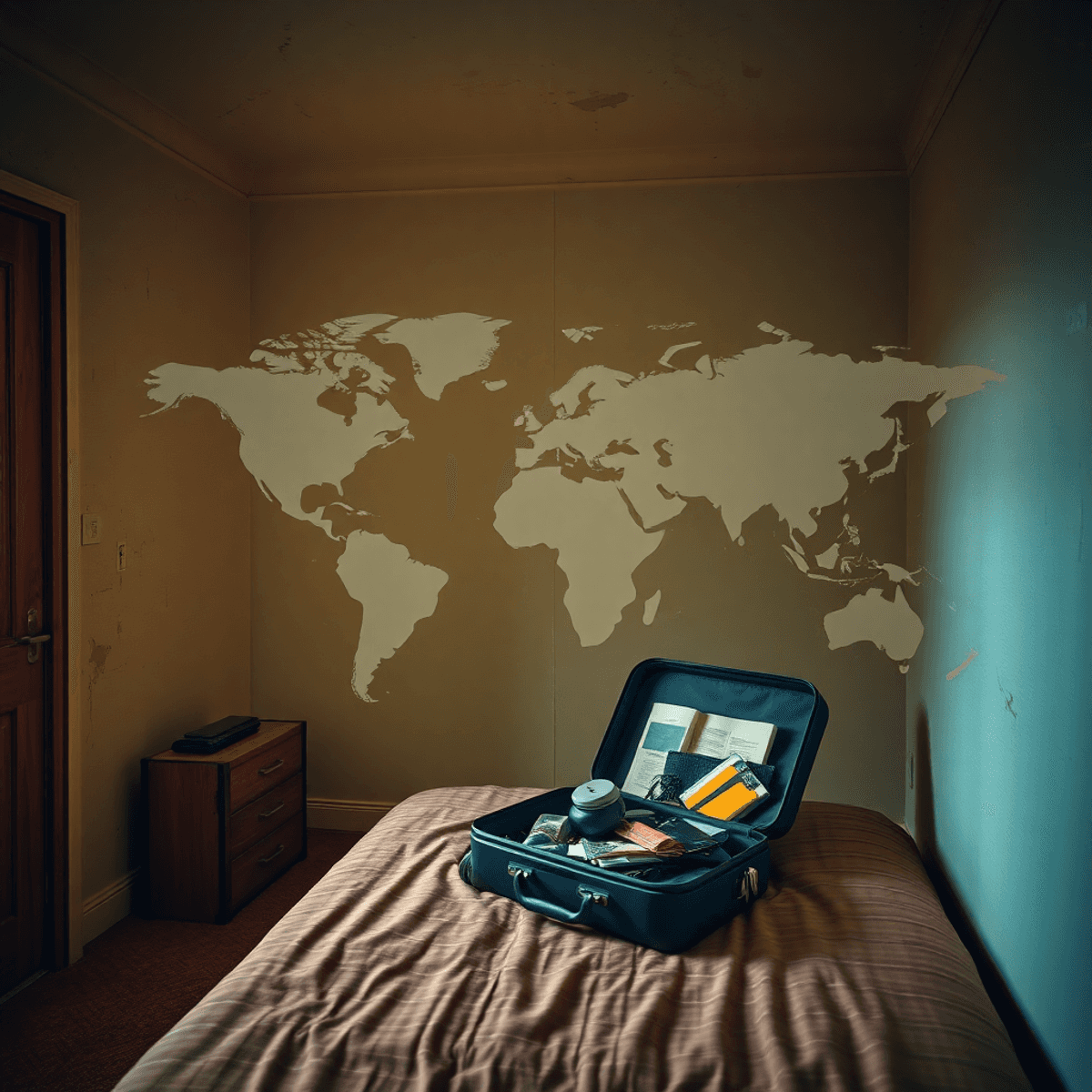
Travel accommodation problems are a common thing that people face when they travel around the world. You can find these issues in busy cities in Asia and in faraway places in Africa. These problems can turn a dream trip into something that makes you feel upset and unhappy. It is important to spot these problems early so you can feel safe, comfortable, and enjoy your time away from home.
Hotel traps often show up as ads that say you will get luxury, but you end up getting rooms that are not good. Apartment traps can be things like loud sounds coming from drilling upstairs or bad air inside your place. If you do not watch out for these problems, you may feel sick or not feel good during your trip.
This article talks about survival tips from globe-trotters who have had many problems with places to stay. You will get ideas about how to get the most out of Airbnb and other types of stays. The tips also help you know how to stay healthy while you are on the move. This can help with things like blackouts or bad water, so you feel safe and comfortable during your trip.
Technological tools help the modern traveler in many ways. They make it easier to find problems before you book and handle things if issues come up during your stay. It is good to look at several websites and check all the photos. When you know how to read the signs and look out for tricks, you can make better choices when you book a place.
Also, knowing about how privacy works right now can help you stay away from problems. Navigating the current landscape of privacy is important if you want to keep your own information safe when you travel.
If you need help while you are traveling and face a hard time, hiring a private investigator may be something to think about. The article shows what the process of hiring a private investigator looks like. This can help in some situations.
Find out how problems in different areas change what people want from places to stay. Learn what you can do to keep your next trip safe. There are things like ads that do not tell the truth and places with bad things or services. Know what tricks you may face. See ways to keep yourself safe when you travel.
Understanding Hotel and Apartment Traps
Accommodation traps often show up in the form of tricky actions or secret problems in hotels and apartments that people face all over the world. These booking pitfalls can be pure scams or smaller problems, like poor care of places or ads that do not tell the truth. It is important to spot these traps so you do not have bad surprises when you travel.
What Are Hotel and Apartment Traps?
Accommodation scams: Some people create fake listings. Photos may not match what you get, or the place may be gone after you pay. To fight these scams, you need to know about the world of the internet. That is where private SEO internet investigations can help.
Misrepresented amenities: Sometimes things like Wi-Fi, air conditioning, or hot water are promised, but they may not work well or may not be there at all.
Dirty or unhealthy environments: Rooms can have mold, dirt, or smell bad. This can make people feel sick or get headaches.
Unresponsive or difficult hosts: Some hosts do not talk well with you while booking or checking in. This can make people feel lost and upset.
Hidden fees: Some costs are added during payment or check-in that you did not know about at the start.
These traps show that the host-guest relationship dynamics break down when it comes to trust. When what travelers want is not met, they feel stress. This stress can take over the whole trip.
Impact on Traveler Experiences
The problems that come from getting stuck in places that are not right for you are more than just a hassle:
People feel bad when rooms are dirty, the air is bad, and there is mold. These problems are often found in places that do not have good cleaning rules.
People feel stressed if the staff does not help or if the check-in is not clear and simple.
People can lose money when they pay for things they never get. They may need to find other places to stay with no extra time left.
Bad experiences change how people feel about places. This also makes them think twice when planning their next trip. The travel industry is now coming up with emerging trends in hospitality. It is working on making things more open and keeping guests happy. The industry does this with clear reviews, easier booking tools, and better ways to talk to guests.
Knowing these things helps travelers be aware and spot warning signs early. Finding hotel and apartment traps early can save you from trouble that might ruin your trip. If you get stuck in a bad spot, it is good to ask for help from people who know how to solve these problems. Services like India's top private investigator can help show what is really going on with fake listings or cheating.
Common Red Flags When Booking Accommodations
Travelers often see red flags hotel booking that show there might be problems before they even arrive. Knowing about these warning signs can help people avoid bad surprises.
1. Overly cheap deals that seem too good to be true
Prices that are much lower than normal should make you think twice. There could be extra costs, or the place might not be in good shape. For example, if you see an apartment for $15 per night right in the middle of a big city, ask questions. Does the price include things like water or electricity? Is the area safe to stay in? Take time to look up usual prices in the area. This helps you spot offers that are too good to be true.
2. Listings with vague or minimal photos
Photos work as proof to show the real state of the place and what it offers. Not many pictures, unclear shots, or basic images that do not match the place can mean there may be things they want to hide. This can be things like old paint, mold, or rooms that feel too tight. A good listing will show many clear photos of every room and the outside of the place.
3. Lack of verified reviews or presence on trusted platforms
Verified reviews give real insight from guests. If there are no reviews or if the comments are not checked, then it may be hard to know about problems with noise, how clean it is, or if the host replies to you. Using websites with strong checks can help keep things honest and good.
To make sure that you pick the best hotels and apartments before you book, you can follow these steps:
Look at a few review sites and check if you see the same complaints or good things said again and again.
Search for recent posts by travelers on social media or forums about the place.
See if the property shows up on official tourism sites or well-known booking sites.
Check what you need for your visa and entry when you travel to other countries. Sometimes, the hotel might not be available, and prices may go up because of this.
New ideas in traveler-friendly places to stay help build more trust. When hotels or other places show they care about the planet or share how they use things like water and power, people feel better staying there. These places often have higher rules for what is good and are more open with people about what they do.
The online world has many tools that can help you see which listings are real and which are not. For example, you can try to hire a private detective investigator. This may help you get the truth about any listings that feel off to you. When you take care and do some research, you lower your risk of falling into the tricks that people use in hotel and apartment scams around the world.
Also, if you want to find a private place to stay, you need to know how to pick a good one. A helpful tool for this is this guide on how to choose good private accommodations.
It's important to stay updated on things in the area that could change your travel plans. For example, read about the unveiling shadows in Japan's accommodation scene and look at news about activities around accommodations in Cambodia.
Recognizing Signs of Potential Issues Before Arrival
Seeing warning signs before you get to a hotel or apartment is very important. It can help you stay away from bad places when you travel. Many of these small signs can show if a place is good or bad. A lot of people miss these signs until they stay there, and by then, it is too late.
Inconsistent Communication with Hosts or Management
One of the first things that can show a problem is slow or mixed messages from the hotel or host. If you ask about check-in, things in the room, or something extra and you get answers that are not clear, put off, or come late, that can mean trouble is coming. Good hosts answer fast and tell you what you need to know. They do not hold back on details.
Example: A traveler booking an Airbnb in Bali experienced several days of unanswered messages before arrival. Upon arrival, the property was inaccessible due to a last-minute change in ownership—a scenario that could have been avoided by noticing communication lapses early on.
Negative or Mixed Reviews Mentioning Noise, Cleanliness, or Safety Issues
Reviews let you see what guests went through before. They also show problems that come up more than one time.
Noise disturbances: People talk about loud noise on the street, drilling sounds from the next apartment, or walls that be too thin.
Cleanliness concerns: Some say there is mold, pests, dirty bathrooms, or bad smells.
Safety issues: Reports say there be broken locks, areas that do not have enough light, or security that does not work well.
Pay close attention to patterns in reviews. Do not look at just one comment. When a problem is mentioned more than one time, it often shows the problem is there in the property again and again.
Utilizing Technology to Mitigate Travel Issues
People now have tools that help them find problems before they get to where they are going, thanks to new tech:
Use platforms that check reviews and point out listings that may not be honest.
Join in with video tours or video walkthroughs that hosts give.
Take part in traveler forums to get information from other people about neighborhoods and homes.
These strategies act as an early warning. They help travelers know the difference between real places to stay and possible scams.
When you know signs of problems before you get there, you feel more ready for travel. This helps you enjoy your time and have fewer bad surprises.
Regional Challenges and How They Vary
Accommodation pitfalls show the many real situations in each region. These problems are shaped by things like roads, the culture, and nature where people stay. If you want to get a feel for regional accommodation issues, you need to know there are good reasons why people get different problems when they travel. Where you go, the time, and how things work there can all matter a lot for your trip.
Asia Specific Issues
Asia can be a hard place for travelers who want good places to stay. Cities like Bangkok, Bali, Vietnam, and the Philippines are very popular for people who travel. But, there are also some problems that many do not know about before they go.
1. Electricity Blackouts
Frequent power outages break the flow of comfort and daily life. In some parts of Southeast Asia, this is common, especially in smaller towns or older buildings. The supply of electricity can be shaky. A traveler who needs air conditioning or who uses devices might lose power at an important time. Some places have backup generators to help with this, but not every place does.
2. Water Quality Concerns
Tap water safety is different in every place. Many hotels and apartments tell you not to drink the local water. Because of this, people often need to buy bottled water to drink or use bottled water for brushing their teeth. Plumbing is not the same everywhere. Sometimes you get rusty taps, and hot water is not always there when you need it. If you know about this, you can keep yourself safe from the health risks of dirty water.
3. Noisy Surroundings
Cities in Asia are busy all the time. There is always noise from street sellers, cars, building work, and people out at night. This makes it hard for anyone to get away from sound, especially if the place you stay at does not have good soundproofing. Streets in Bangkok or busy spots in Bali show how noise can make it tough for people to rest and feel relaxed.
4. Airbnb Problems in Asia
Airbnb listings can be a real problem because the rules and how things are run change depending on the country. Sometimes, you might see things like wrong descriptions, hosts cancelling at the last minute, or having a hard time talking with people because you do not know their language. Reviews also show that people see a big difference between what was promised and what they get. You might not have things like air conditioning or a good internet connection.
5. Cultural Influences on Accommodation Standards
People in different places have different needs when it comes to cleanliness and how they are treated. A thing that may feel below average in the West could be a normal part of life in some Asian countries. Knowing about these ways helps travelers understand what to expect and not feel let down.
6. Examples from Specific Locations
- Bangkok: Power outages and the non-stop sound of traffic can be hard for people who are not used to the busy life in the city at night.
- Bali: There is not much water during dry times, so hotel pools and showers can be a problem. A lot of sound from building work near beachfront places can make people feel not at ease.
- Vietnam: Some older buildings can have wiring that does not work well. You need to be very careful about where you get water for drinking because tap water is not always clean.
Philippines: The typhoon season often brings power cuts. Some places also have problems with mold because there is a lot of moisture in the air.
You need to plan well when you book places to stay in Asia. It is good to read trusted reviews and check all things you will get with the host. You should also get ready for things like weather or anything in the area. This will help you deal with some travel problems in these places.
In light of these challenges, looking modern things like hiring a private investigator can help you get good insights. You may know much more about any trouble with places to stay before it turns into a problem. For example, if you look at the crawled content like online reviews or details about the place, you can set good expectations.
The future of global accommodation points to some good changes, thanks to the use of new tools—better online check systems.
Africa Specific Issues
In Africa, there are different problems with accommodation because of local roads and weather. Many travelers face power outages because the electricity supply is weak or not steady. These outages do not just make it hard to feel good while staying there—they also make things like working air conditioning, light, and elevators stop when people need them. This can really make it hard for travelers to feel at ease or use important services while staying in hotels or apartments.
Water safety is a big issue in many places in Africa. Even with more people using platforms like Airbnb around the world, water quality and sanitation can still be very different from place to place. Some homes and hotels use water that is not treated well or may not be clean. This can make it easy for people to get sick with stomach problems and other issues if they do not know the risks. In rural or less-developed city areas, old or missing plumbing means people have to use bottled water or other ways to clean water to stay safe.
Sanitation problems are not just about water. They are also about how clean things are. In some places, the level of cleanliness may not be what people from the West are used to. Not everyone has the same ideas about keeping places clean. The way people think about it, and what people do in a place, can change how often hotels and apartments are cleaned and what services people get.
Travelers need to stay aware of these local accommodation problems by:
Make sure the place has a good backup for power like generators.
Look up any water safety warnings in the area or find a place that says their water is safe to drink.
Check reviews to see what people say about how clean it is and how well the place is taken care of.
Think about picking places that are suggested by local people or travel groups that know a lot about different parts of Africa.
Understanding these travel problems by region is key if you want to travel safely in Africa. It can help you avoid many of the usual hotel and apartment issues that travelers find in many places around the world.
South America & Central America Specific Issues
Many people who travel around South and Central America run into regional accommodation issues. This happens because there are often a lot of tourists and the local economy can change. Big cities like Rio de Janeiro, Buenos Aires, Mexico City, and Panama City see many guests every year. This makes it hard to find a place to stay sometimes.
1. Overcrowded Tourist Areas and Inflated Prices
Key cities in these areas have many tourists. This pushes the price of places to stay much higher. Hotels and apartments that are close to well-known places or beaches often cost more. The higher price does not always match what you get in terms of comfort or service. If you are not looking to spend too much, you might end up paying more just because of where the place is, not because it is better or safer.
2. Scams Linked to Hotel-Adjacent Restaurants or Services
Some places do well because tourists spend money there, but they often hide some surprises. People have said that there are restaurants that are part of hotels or are close to them, and they will raise prices or push you hard to buy things when you are there. This also happens with people who run tours that are not official or drive people around, because they sometimes try to make you pay too much.
To understand travel challenges by region, you need to know how local customs and market conditions shape the way people welcome guests. In some parts of Asia, blackouts and unsafe water are common. But in South America, the main problems are about money. These often happen in busy places where a lot of people visit.
"I booked a nice-looking Airbnb in Cusco, only to discover the neighborhood was flooded with overpriced eateries targeting tourists, making dining out a nightmare," shares a frequent traveler.
If you really understand these small differences, you can avoid problems when you travel. These problems can come from how a place to stay is set up, or from everything around it too. The way people want things, and what is easy for them to get, will change how things feel in these lively but busy places.
Being aware of these regional accommodation issues helps people plan better. The traveler can think about more than just money. The area’s name, how close it is to real local places, and chances of scams all matter. You can use this knowledge with things you may learn from other spots around the world. For example, Asia has times where the power goes out, and Africa has some problems with roads and buildings. If you or someone faces a big problem while away from home, getting help from a private detective agency can help you handle local problems well.
Caribbean Specific Issues
The Caribbean area has its own set of regional accommodation issues that can give trouble to people who travel for comfort and value. In places like Nassau, Montego Bay, and Punta Cana, stays often cost more. These well-known spots are famous for their beautiful beaches, but the room prices are high, and there can be extra costs that are not shown at first. People who visit may have to pay a lot. Still, rooms there might not meet what they expect for what they pay, and they may not get all the things or help they want, unlike other places.
Environmental Factors Affecting Traveler Experience
Environmental factors have a big part in shaping the way people feel when they travel in the Caribbean:
High humidity makes rooms damp inside. This can help mold grow. Mold brings bad smells and health issues, especially for people who have allergies. The way mold moisture can change your living space is good to know.
A lot of buildings struggle with keeping air conditioning working well. When it's hot, this makes everyone feel bad.
Salt in the air, mixed with dampness, makes things wear down faster. The feel of the room can be less good, even if it looks nice or is a top brand.
Common Accommodation Scams
Scams with places to stay are not always about big lies. Many times, they try to make something look bigger or better than it really is. They might say you will get services or things that are not there when you come. A hotel or a resort may talk about things like a pool or a gym, but you find out they are closed or not working during your trip.
Some places to eat and tour guides work closely with hotels. They can charge you more money than they should, or the food and trips may not be as good as you expect.
Essential Packing Items for Caribbean Travel
Packing the right things is very important when you face these travel challenges by region. Some things to take are:
A small dehumidifier or something to soak up water,
A good product that keeps bugs away,
Air fresheners that you can carry with you,
It can really make you feel more comfortable when you are in the Caribbean.
Importance of Understanding Local Context
Understanding the local context is very important. You need to know how the climate in this area can affect the quality of the place where you will stay. This will help you get ready in the right way and avoid common problems that come up in this busy place for travel.
Dubai Specific Issues
Dubai is famous for its rich travel stays. A lot of people who come here expect great things from hotels and places to stay. But once you get there, you may find that it's not always as good as how it looks or how it's shown in glossy ads. Travelers can run into several hidden fees that make their time less fun. These extra costs can be resort fees, taxes on things the hotel does not make clear at first, or surprise fees you have to pay for using things like Wi-Fi, your car, or the pool. It's good for people to know about these other costs before their trip. This way, they do not feel let down when they have to settle the bill at the end.
In these cases, hiring a private investigator can help you find out hidden truths about the people who provide accommodation. It also helps keep travelers safe from scams or unfair ways some people use.
Peak Travel Seasons and Overcrowding
Another big issue in Dubai comes up in busy travel times, like during big events or holidays. A lot of people come to the city at these times. This can make things feel crowded. Because of this, the quality of what you get at hotels or apartments might not be as good. The staff might not be able to keep up, and the rooms can fill up fast. Then, you might have to wait longer if you need help. Housekeeping might not be as quick. You might also have trouble getting the things the hotel promised, like the pool or gym, because too many people want to use them.
Regional Accommodation Issues
The main problems that places to stay in Dubai face show how local factors shape traveler experiences in this city, but not always in the same way as in other famous places. For example, some Asian cities like Bangkok or Bali deal with electricity blackouts and water quality problems. But in Dubai, the biggest problems are not these. The main problems here are about people having clear prices and how to handle the large groups of tourists coming in.
If you learn about these regional accommodation issues, you can find your way in Dubai's hotel sector with more ease. It is important to read every part of the terms and conditions before you book a room. You should also keep in mind the right time to make your booking in this busy place. Dubai is known for its fancy places to stay, but there can be many common travel problems in the city too.
City-Specific Challenges (Bangkok, Bali, Vietnam & Philippines)
People traveling in Asia often face their own set of problems with finding a place to stay. These problems can be very different from the ones in other parts of the world. Bangkok, Bali, Vietnam, and the Philippines each have their own things to deal with when it comes to where you can stay. This can be because of the way the city is set up, the roads and buildings, or the rules and the way people do things in those places.
Noise disturbances
Noise problems are a big reason people complain about their stays in these busy cities. For instance, in Bangkok, people often hear drilling and building sounds coming from next door or from nearby work sites. These noises can start early in the morning and last all day. The noise is not just in the business parts of the city. Even neighborhoods where people live can be loud because of street vendors, scooters, or late-night parties. In Bali, the tourist spots can also be noisy off and on because of fixing up buildings or local celebrations.
Air quality inside accommodations
Air quality inside places where people stay is a big concern. Many apartments and hotels have poor ventilation. This keeps dust, smoke, or damp air inside. In crowded areas, outside pollution can come in through windows or air conditioning. Cities like Ho Chi Minh City and Manila often have smog. This makes it hard to breathe for guests who feel the effects of air quality.
Factors contributing to accommodation challenges
There are a few things that make Asia accommodation challenges harder:
Electricity blackouts can mess with comfort and safety when it gets dark.
Water quality issues happen when filters do not work well or when the water pipes have dirty water.
Limited rule enforcement can let some Airbnb hosts not take care of their homes.
Knowing about these things shows why you need to do good research before you book a place to stay in these cities. It helps if you read new reviews on different sites. This way, you can find out about things that happen from time to time, like building work or problems with the weather during certain seasons.
“When I stayed in a central Hanoi apartment, the noise from a neighboring renovation was unbearable for days,” recounts one traveler. “Switching rooms wasn’t an option; I had to use earplugs and adjust my schedule.”
You can take action before you travel. Check with your hosts about noise levels or choose a place to stay that is not near a busy road. This can help you feel better and stop any problems before they start. You can also bring a small air purifier or a mask. These work well if the air inside is not good.
Knowing about travel challenges by region helps people get ready for problems they may face. It also gives them the skills to handle any issues they find in Asia’s city areas. This is helpful when dealing with places like Bangkok, Bali, Vietnam, and the Philippines, where some places to stay can be tricky.
Cultural Factors Shaping Accommodation Standards
Cultural influences on hotels and apartments
These things can change the way you feel during your trip. Hotels and apartments are not the same in every place. They usually show the local way of living, what people think is good, and how much things cost in that place. When travelers know about these cultural factors, they can set good expectations. This will help them handle the differences that come up during their stay.
Cleanliness Expectations
Cleanliness standards vary a lot in different cultures.
For example:
In many Western countries, people expect high levels of cleanliness. Daily housekeeping and very clean sheets are normal in these places.
In some areas of Asia or Africa, the way people keep things clean may not be the same. This can be because of what is important in their culture or what things they have to use. For example, some places may spend more time cleaning shared spaces than the rooms people sleep in.
People in some regions open windows and use outside air instead of air conditioning. This can change how they handle dust and bugs inside, and it may feel less clean to those who are used to rooms that stay closed up.
People often see "clean" in different ways because of how they grew up and the place they live. What is fine for the people who live there might not feel good enough to people from other countries. But this is usually because they have found the best ways to deal with their needs, not because they do not care.
Service Quality and Guest Interaction
Service quality also reflects cultural nuances:
In Japan, hospitality (omotenashi) is about giving a lot of thought to every detail. People there often try to know what guests want even before they ask.
In many Latin American countries, people can feel a warm welcome, but things may feel less formal. People may not always be on time like in some Western places.
Hotels or homes in the Middle East may focus on keeping privacy for guests. Workers might try to keep things private, and this can change how they talk or help people.
These changes can shape how people feel about people being professional and quick to help. A way of serving that seems respectful in one place may feel cold or not caring in another place.
Design and Amenities Influenced by Culture
The way people design places to stay often shows their cultural likes and beliefs.
Minimalist rooms, inspired by Scandinavian hotels, are all about simple design and being useful.
In warm places like Bali or the Caribbean, hotels with open-air spaces use natural materials. This helps with the weather, but guests might notice insects or feel the effects of changing weather.
Religious and cultural ways influence the things you get at a hotel. For example, Middle Eastern hotels might have prayer mats, or food choices that follow local ways of eating.
Things like hot water, daily toiletries, or all-day reception might not always be the same everywhere. Different places have their own way to decide what is important. Some focus more on being comfy, while others care more about what is useful.
Recognizing the cultural context behind accommodation standards aids travelers in adjusting expectations, reducing frustration when experiences do not align with those from their home countries.
Tales of Woe: Real-Life Accommodation Mishaps
Many people share their travel stories to show the harsh side of hotel and apartment stays around the world. These Tales of Woe talk about common traps people might fall into. A dream trip can quickly turn into a tough time because of these problems.
Personal Stories Illustrating Common Traps
1. The Moldy Room Nightmare
A traveler stayed in an apartment in Southeast Asia. He found a lot of mold behind the curtains and under the bed. Before this visit, many reviews for the place were very good. But when he asked the host for cleaning or to move to another room, the host did not answer. The guest had to buy air purifiers and things to clean the air. He shared what happened online in many places to let others know about the problem.
2. Endless Wait at Check-In
In a popular place for visitors in South America, one person went through a hard time when trying to check in at their Airbnb. They got there late at night and had to wait outside for more than two hours. This happened because the host did not give good information and showed up much later without telling them first. The long wait made the guest feel very tired. Also, staying outside for so long made them worry about being safe in a new area.
Case Studies: How Travelers Overcame Challenges
1. Dealing With Noise and Air Quality Issues
A group came to Bangkok and got an apartment in the center of the city. Each morning, there was lots of loud drilling coming from the next-door rooms. The group moved where they slept away from the windows. They also bought noise-canceling headphones to help block the sound. Because the city's air pollution made it hard to breathe inside, they got some air filters they could carry around. They kept the windows closed, even though it was hot.
2. Handling Electricity Blackouts in Bali
A family stayed in a villa. During their time there, the power went out many times. This made it hard for them to stick to their plans. They talked to the host about getting some of their money back. They also found some nearby cafes that had steady electricity to use as places to work. Later, they talked about what happened on social media. Their story showed how the area often has problems with things like power going out.
Tips for a Smooth Airbnb Check-In and Stay
Make sure you know the exact check-in times and talk about it with them more than once before you get there. That way, you will not get any surprises.
Ask them to send you clear photos or real-time video tours if they can. This helps you see if the place is clean.
Go through recent reviews. Spend time on parts about how long people had to wait or how fast they answer.
Keep other places to stay in mind and on hand. You may need to move out right away.
These real stories show that watching out and planning ahead can help people stay away from many hotel and apartment traps while they travel to new places. Adding SEO technology to the way you look for places to stay may help you stay clear of problems, as it gives you better details about each place. Also, talking about your own experiences on the internet could help other people pick wisely, just like unsolved case files give people strong information about issues that often come up in some places.
Strategies for Avoiding Accommodation Disasters
Moving around in the busy world of global lodging needs you to be careful and smart. You need to know how to avoid hotel tricks and problems with rental places. Start by looking at areas where local people like to live. Try not to pick places that are full of tourists. For example:
Barcelona: The Gràcia area has real charm and quiet streets. It is not as busy as the Gothic Quarter, where prices can be high and many people make places feel full. It can also be hard to find good places to stay there.
Bangkok: You can find a calm feel in places like Ari or Thonglor. They have good places for you to stay. These spots feel much better than the very busy tourist places near Khao San Road.
Looking at more than one source can help you find things that do not match. Those things might show you if there are problems you didn’t see before. Be sure to use a mix of platforms like:
Booking.com and Airbnb for official listings,
TripAdvisor for user-generated reviews that often point out problems that come up again and again,
Google Reviews to check out how safe the neighborhood is and what things are close by.
Apps made to spot fake deals or reviews help you stay safe from bad ads. Tools like Fakespot check if reviews are real, so you can feel better before you book.
Do not just look at the photos in the listings. These images may be set up or old. Try to find real traveler photos that people share in reviews or travel groups on social media for your city.
Pay close attention to bad reviews describing:
Unexplained fees,
Hosts do not talk well with you,
Many problems with things in the place like loud sounds or things like water and power not working right.
Staying the same when it comes to negative feedback shows traps better than what any marketing text will tell you.
Make a checklist that matches the needs of each area. For example, pay attention to water quality alerts if you are in Southeast Asia. Be aware of power problems in parts of Africa. Think about how Caribbean resorts get crowded during busy times of the year. You can get new warnings by checking local travel forums and recent blog posts. Many times, these tips do not show up on major booking websites.
A smart plan that blends looking into the area, reading several different reviews, and using helpful apps gives travelers what they need to make better choices. This helps cut down on surprises and keeps their stay comfortable.
Handling Poor Accommodation Experiences During Stay
Traveling can show people some problems in their hotels that they did not see coming. Dealing with bad hotels abroad needs you to act early to keep your comfort and safety.
Managing Noise and Disturbances
Loud drilling or other strong sounds can make it very hard to rest. The first things you can do are:
Contacting management or the host: Politely ask for some quiet time or see if you can get a room that is not near building work.
Using earplugs or white noise apps: These can help you feel better for a bit, especially when you can't get another answer right away.
Documenting disturbances: Keep things like photos, videos, or notes of the noise. This can help you if you want to ask for money back or a refund.
Addressing Unpleasant Odors
Bad smells in hallways, elevators, or rooms often come from problems with air flow or bad cleaning. Here are some ways you can reduce these smells:
Requesting room changes: A new spot in the property might have better air.
Improving airflow: Open windows when you can, or use a fan. This helps get rid of bad smells in the room.
Using odor absorbers: You can use things like charcoal bags or baking soda. They work well to clear out smells.
Ensuring Water Quality and Safety
Water is not the same everywhere in the world. People who travel need to be careful:
Using bottled water for drinking and brushing teeth: Do not use tap water unless you know for sure it is safe from a good source.
Boiling water if you need to: If you do not have bottled water, boiling the water will get rid of most germs.
Carrying portable water filters: These small tools can give you clean water for a long time when you are in places where the water safety is not good.
Adapting to Environmental Concerns: Air Quality and Beyond
Cities such as Bangkok, Vietnam, and some areas in the Philippines have bad air inside most places. This happens because of dirt in the air and not enough fresh air coming in. To help fix this, people can try the following steps:
Choosing places to stay that have air purifiers: Look for listings that show this feature.
Staying inside less during the worst hours for pollution: Go outside and take breaks for some fresh air when you can.
Wearing masks made for pollution: These work well outside if the air has harmful particles.
Handling Difficult Situations Caused by Other Guests
Running into rude people or people who do not follow rules can make your stay not good:
Report incidents to the property staff or to the management right away.
Do not get into fights when you can avoid them. Get help from the police or building staff if your safety is at risk.
Handling these problems helps make your stay feel better, even if there are some surprise problems with the place you stay. Knowing what is going on and doing something on time helps people who travel deal with tough times when they are away from home.
Dealing With Uncooperative Hosts or Management
Traveling the world can be fun, but sometimes, you run into problems with hotels or apartments. A lot of the time, the host may be hard to talk to or they may not help you much. It is good to know the right way to talk to them. You should talk clearly. You also should know when it's time to ask for more help if things do not get better.
Effective Communication Strategies with Difficult Hosts
Remain Calm and Polite: When you face a problem, speak nicely and stay patient. Getting angry with your words often does not help. It can close doors instead of finding ways to fix things.
Be Specific About Problems: Talk clearly about what is wrong, such as noise, how clean the place is, or if what you got is not like what was promised. Use photos or videos to show what happened if you can.
Request Solutions or Compensation: Do not just say what is wrong. Say what you feel would fix the problem, like getting another room, a refund, or more services.
Set Deadlines for Response: Let them know, in a kind way, when you hope to hear back from them. A clear time helps you get an answer soon.
“When I encountered persistent noise from construction above my apartment in Bali, I sent detailed messages with timestamps and audio clips. This approach helped the host understand the severity and respond with an alternative room swiftly.”
When and How to Escalate Issues
Not answering or not dealing with good complaints means it is time to take the next step:
Contact Booking Platform Support: Use the main contact methods given by sites such as Airbnb, Booking.com, or Expedia.
Give all records: messages, photos, and times.
Ask for help or action based on the rules of the platform.
Get Help from Consumer Protection Agencies: In some places, local consumer rights groups can help travelers.
Check if your travel spot has services to help travelers.
Make a formal complaint if there are big problems like safety issues or being scammed.
Public Reviews as Pressure Tools: Write honest reviews to point out problems that are not fixed.
A lot of hosts care about their ratings and might act if their score might drop.
Get a New Place to Stay: If nothing gets better and the problem stays, look for another spot to stay.
Always choose safety and being comfortable rather than staying with a booking that is not working out.
Knowing when polite negotiation stops and when things start to get tense can help travelers stay away from long trouble. Make sure to write down every talk you have, so if a problem comes up, you have proof for what happened. Handling hosts who do not help much can turn a hard time into something you can deal with while you travel around the world.
FAQs (Frequently Asked Questions)
What are common hotel and apartment traps travelers should watch out for during global travel?
Common traps are tricky ads, bad things in the place, places that are not clean or have mold, hosts who do not talk well, and very cheap offers that look too good to be true. If travelers can spot these signs, they stay away from bad places.
How can travelers identify red flags when booking accommodations online?
Travelers should watch out for unclear photos, not many real reviews, listings that are not on trusted sites, and prices that are very cheap. Use the internet to check hotels and apartments well before you book. This can help keep away any risks.
What regional accommodation challenges are specific to Asia?
In Asia, people who travel often have to deal with power cuts, bad water, and a lot of sounds around them in places like Bangkok, Bali, Vietnam, and the Philippines. Knowing about these problems can help you get ready and have a better time.
How do accommodation traps vary across different regions like Africa and South America?
In Africa, problems with power things can cause blackouts. There may also be worries about clean water and toilets. In South and Central America, places with too many visitors may charge more. There are also scams that happen near hotels. It is good to know about the place you visit to avoid these problems.
What pre-emptive measures can protect traveler health during stays in potentially risky accommodations?
Travelers need to read about water quality concerns before they go. It is good to bring water cleaning tools with you. Check reviews to see if the place is clean. Talk to your hosts in a clear way about the things they have. Be ready for power outages—so take portable chargers or extra lights.
Which technological tools can modern travelers use to enhance their accommodation experience?
People today can use apps to check listings, read real-time reviews, and talk easily with hosts. These apps help you keep an eye on things like power outages or water safety alerts in the area. You can also find places to stay that are good for the environment. All of this works to make your trip more comfortable.
Comments
Post a Comment