Chapter 1: The Cultural Roots and How People See Age-Gap Relationships in the Philippines This chapter talks about age-gap relationships in the Philippines. It looks at where these ideas come from in the culture and what people think about them today. The text shows how old stories, family, and even friends can change how people feel about age between partners. There is also a focus on the way families in the Philippines value respect. Real traditions and ways of the old times can still shape what many feel or say about age- gap love now. The chapter also tells who cares about the age-gaps between couples in the country and why. Some might see it as a good thing because of wisdom or support from older people. Other people may feel that a big age difference is not good, or even feel worried about the reasons behind such a match. How age and love mix in the Philippines comes from both the past and what people feel is right today. This chapter talks about where age-gap relationships...
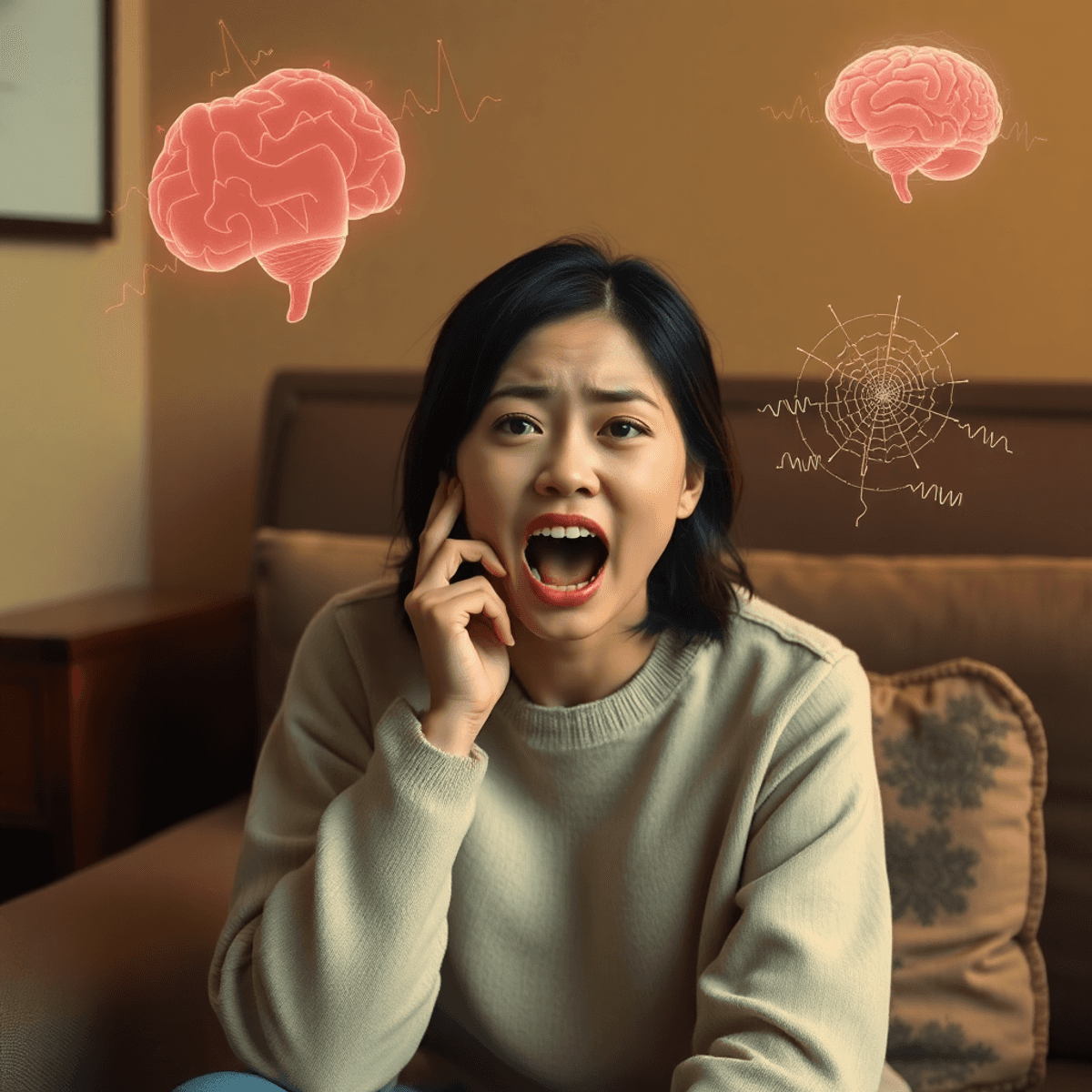
Sudden loud screaming, especially from women, often makes people wonder, Why do women scream when there is no clear reason? This kind of action can feel puzzling and is sometimes judged by others. But it is often linked to deep feelings that come from both the mind and the body. The way people scream is tied to strong emotions. These show in the way they use their voice and are often not fully understood. Many people feel these outbursts do not make sense, but there is often more to it than what we see.
This article looks at whether people scream for no reason or if there is something deeper going on. It asks if we need to show understanding about what someone feels when they scream.
You will explore:
Emotional reactivity and how it plays a part when people shout suddenly.
How things that happened in the past and changes in body hormones can change these reactions.
The body and brain reasons why people scream.
What people in a group think, and how different cultures see and react to women screaming.
Simple ways to handle these times and some help you can get from therapy.
Also, looking into these deep feelings can get better with a wider look at the stories people tell about their own lives. One way to share these stories is to use private blogging. Private blogs can help people let out their feelings. They can write what they feel, tell about what they go through, and find others who feel the same or have gone through the same things.
The Psychology Behind Sudden Screaming
Sudden screaming often comes from emotional reactivity, a psychological trait characterized by intense and immediate emotional responses to stimuli that may seem minor or even neutral to others. People with high emotional reactivity experience emotions more deeply and quickly, which can lead to vocal outbursts like screaming when overwhelmed.
Key aspects of emotional reactivity include:
- Heightened sensitivity to environmental and interpersonal cues.
- Difficulty regulating emotions, resulting in rapid escalation of feelings. This is where emotion regulation strategies can play a vital role in managing such reactions.
- Tendency toward emotional reasoning, where feelings guide one’s interpretation of events rather than objective facts.
Past trauma plays a critical role in shaping these reactions. Trauma can change how the brain responds, making people more likely to see threats even in safe situations. This constant state of alertness triggers unexpected vocal expressions as an instinctual release or defense mechanism.
A single neutral comment might be unconsciously interpreted as hostile due to past experiences, sparking a sudden scream as an emotional defense.
Emotional reactivity influenced by trauma is not a sign of weakness or deliberate behavior but rather a complex psychological response shaped by internalized pain and survival strategies. Recognizing this helps in understanding the underlying causes behind sudden screaming and opens pathways for compassionate support and effective intervention. Such understanding can also aid in developing coping strategies to manage these intense emotional responses more effectively.
Biological and Neurological Factors
The fight-or-flight response is a basic biological mechanism that gets activated when we perceive a threat. When our brain senses danger, it sets off a series of hormonal and neurological reactions to prepare our body for immediate action. This heightened state of alertness often includes vocal expressions like sudden screaming. The scream serves as both an alarm signal to others and a way to release intense internal stress.
Medical and Neurological Conditions
Certain medical and neurological conditions can also lead to unexplained vocal outbursts. One of the most common causes among these is panic attacks. During a panic attack, you may experience overwhelming fear along with symptoms such as rapid heartbeat, shortness of breath, and sometimes screaming or yelling without any conscious control.
Sleep disorders are another significant factor in sudden screaming episodes. Conditions like sleep paralysis can trigger intense fear when waking up or falling asleep, occasionally resulting in involuntary screams. These episodes happen because your brain is stuck between different sleep stages while your body remains temporarily unable to move, creating a terrifying experience that can provoke vocal outbursts.
Other neurological problems, such as temporal lobe epilepsy or certain neuropsychiatric disorders, might present with sudden vocalizations including screaming. It's important to recognize these medical causes for proper diagnosis and treatment, so we can differentiate them from purely psychological triggers.
Emotional Triggers Behind Unexplained Vocal Outbursts
Sudden screams often come from fears and stress that we do not notice right away. These feelings grow inside without us knowing it. They can make people react strongly even when there is nothing big happening or when others do not see why it happened. You may wonder why women scream when there is no clear reason. This happens because these feelings build up inside and reach a point where they cannot be held back anymore.
1. Subconscious fears and anxieties
These feelings be hidden under the way you think, and they shape how you act without you knowing. Even when someone says something that sounds normal, it can touch old fears. This can make strong feelings come out all at once. Sometimes, people may start to scream because of this.
2. Hidden stressors and emotional overload
These things add up as time goes by. Every day, small stresses like fights that do not get fixed, job worries, or taking care of someone can build up slowly without you seeing it. After a while, there is too much to handle, and your feelings cannot take it. A scream can feel like a fast way to let go of all that stress that has grown inside.
Microaggressions often make these reactions worse. These are small insults or acts that can feel dismissive. A single one may not be much on its own. But if there are many, they wear down your feelings and strength. People who face microaggressions again and again feel more upset. This can lead them to speak out in anger, either to stand up for themselves or to protect themselves.
“Sometimes it’s not one big thing but the weight of many small things that triggers the scream.”
Understanding these triggers helps show why loud shouts sometimes happen for no clear reason. It also points out how important it is to see the feelings that are behind sudden screams.
Social Perceptions and Gender Stereotypes
Women's emotional expressions, especially sudden screaming, often get labeled as irrational. This view is deeply rooted in long-standing gender stereotypes that dictate how women "should" behave emotionally. Society usually expects women to be nurturing, calm, and composed. So when they express strong emotions like screaming, it goes against these expected roles.
Why are women’s emotional expressions often labeled ‘irrational’?
- Historical biases: Women's emotions have been dismissed as overly sensitive or hysterical since ancient times.
- Power dynamics: Labeling female vocal outbursts as irrational serves to undermine their credibility and silence dissent or discomfort.
- Emotional policing: Women face greater scrutiny for expressing anger or fear loudly compared to men, who might be seen as assertive or protective.
Societal gender norms influence how female vocal outbursts get interpreted:
- Screaming from a woman may be perceived as a loss of control rather than a valid emotional reaction.
- Such expressions are often minimized or pathologized rather than understood as responses to legitimate stressors.
- The impact extends beyond individual reactions—it shapes workplace responses, healthcare treatment, and social support availability.
Understanding these social perceptions helps reveal why many women feel misunderstood and unsupported when experiencing sudden emotional outbursts. Recognizing the role of gender stereotypes in labeling can encourage more empathetic and accurate responses to female vocal expressions.
Moreover, the societal response to women's emotional expressions can be further understood through the lens of social psychology. This field examines how societal attitudes and beliefs shape individual behaviors and perceptions, providing valuable insights into the challenges faced by women in expressing their emotions authentically.
Cultural Interpretations of Female Screaming in Art and Media
The symbolism of the female scream is seen in many ways across art, film, and stories. Most of the time, it stands for:
Fear and vulnerability: In horror films and gothic stories, when a woman screams, it shows there is big danger or trouble ahead. This also points to her weakness or the idea that she could be hurt.
Standing up and strength: Feminist art uses the woman’s scream to shake things up and fight against unfair rule. She shows her power by using her voice.
Mental struggles: Today’s stories sometimes show screams as signs of problems inside, like deep stress or feelings people can’t talk about.
Cultural interpretations vary a lot. Western media often connect a woman's scream to not thinking clearly or to being out of control, which makes people think women cannot handle their feelings. But, in other groups and some non-Western places, loud voices or shouts can be seen as ways to talk to spirits or to let strong feelings out. These actions are not thought of as bad there.
Examples include:
In Hitchcock’s Psycho, Marion Crane’s scream makes fear feel bigger. It also shows a key moment in the story.
The scream in Edvard Munch’s painting The Scream is often seen as showing deep worry. When shown with women, it adds more feelings about how they feel as women.
Modern stories like Sylvia Plath’s poems use the idea of screaming to show being trapped and wanting to be free.
Knowing about these cultural layers shows how the female scream in culture is used as a story tool. It also acts as a mirror that shows what people feel about women’s emotions.
Identifying Mental Health Issues Behind Sudden Screaming
Sudden screams that happen for no clear reason can sometimes show that there is a deeper mental health problem. It is important to notice mental health signs when these loud outbursts happen. This can help you see the difference between normal emotional responses and ones that need more care.
Common indicators that sudden screaming may be linked to underlying conditions include:
How often and how strong: There are a lot of loud screams. Even small things or no reason at all can set them off.
How long someone feels upset: A person may feel worry, fear, or feel shaken for a long time before or after the scream.
Other signs: A person may feel their heart race, may sweat, feel dizzy, or feel like they cannot catch their breath.
Trouble doing things: These loud outbursts make it hard for someone to get through their day, spend time with others, or do their work.
Understanding Why Do Women Scream Without an Obvious Reason? helps us look into emotional reactions that may be linked to health problems such as:
Panic attacks: This is when a person feels a strong fear all at once and shows it by shouting or screaming. The body can feel bad too at this moment.
Anxiety disorders: A person with this problem gets upset more easily. It can make them yell or shout more than others would.
Post-traumatic stress disorder (PTSD): A person may relive a scary event from their past. Something may remind them about it, so they might scream without meaning to because of that old memory.
Sleep disorders: Some people have night terrors or make loud sounds in their sleep. Their body does this while sleeping, not by choice.
It is important to watch closely to tell if an outburst is part of a situation or a sign of something bigger. A situational scream often happens after a clear stress. It also goes away fast. When it's about clinical symptoms, they stay longer than the event and show a pattern. These patterns can get in the way of someone feeling good.
Recognizing these signs helps people look for the right tests and support. This is better than ignoring sudden screaming or thinking it is just mood swings.
Coping Mechanisms and Therapeutic Approaches for Managing Sudden Screaming Episodes
Managing sudden screaming means learning emotion regulation skills. These skills help you see strong feelings early. They can help you respond so you don’t have a big outburst. Two types of therapy are known for being good at helping with this. They are Dialectical Behavior Therapy (DBT) and Cognitive Behavioral Therapy (CBT).
Dialectical Behavior Therapy (DBT)
Dialectical Behavior Therapy (DBT) helps you learn helpful skills. These skills let you manage your feelings, handle stress, and work better with others. Key DBT methods include:
Mindfulness: Learn how to be aware of your feelings in the moment without letting them take over you.
Distress Tolerance: Use things like deep breathing or grounding to help you get through tough feelings without acting too quickly.
Emotion Regulation: Find, name, and change strong feelings before they get out of hand and turn into yelling.
Cognitive Behavioral Therapy (CBT)
Cognitive Behavioral Therapy (CBT) focuses on the ways that thinking shapes feelings. It helps you:
- See when your thinking is not correct. This can be things like letting feelings guide you or always thinking the worst will happen.
- Question thoughts about yourself or others that are not true. These thoughts often make you feel strong emotions.
- Learn better ways to think about things. This helps you feel less upset.
Both DBT and CBT help you break the cycle of quick, strong feelings. They do this by making you more aware and giving you tools to use early on. If you practice these therapies often, you can change the way you handle times when yelling seems like your only choice.
Along with therapy, self-care helps people feel more stable. Some good ways are to get enough sleep, move your body often, and find simple ways to lower stress. When you join social groups, you can feel safer to talk about your feelings in a way that works. This makes it less likely for someone to yell or have vocal outbursts.
How to Respond When Someone Screams Unexpectedly: Best Practices for Supportive Reactions and De-escalation Techniques
When you meet someone who starts yelling without warning, what you do next matters. If you show care and help, you make the person feel safe and understood. But if you ignore them, things can get worse, and they may feel more upset.
Supportive Reactions
Key elements of supportive reactions include:
Listening actively without stopping sopmeone or making them feel judged
Validating emotions by letting them know you see how strong their feelings are behind the scream
Maintaining calm body language to avoid passing on worry or a feeling that something is wrong
Speaking softly and slowly to help the person feel steady
De-escalation Techniques
De-escalation techniques help people calm down when emotions are high.
Make some room if needed, so the person can get some air and feel better.
Try calming ways like taking slow deep breaths or asking them to notice things they can feel, see, or hear around them.
Don't argue or try to fix things when this is happening; help them feel safe instead of talking about what's true or not.
Give kind words, like saying “I’m here with you,” or “You’re safe right now.”
In public protests, when people scream, the energy and meaning feel different than quick screams you might hear at home or with friends. If you know the difference, you won’t mistake these screams for someone needing help. Instead, you understand they often show power and strong feelings.
Empathy is important when you hear someone scream. You need to look past the noise and understand how they feel at that moment. This helps you give real support.
Screaming as Empowerment: The Role of Vocal Expression in Feminist Movements
Screaming has been a strong way for women in feminism to show how they feel and fight for their rights. From the Riot Grrrl movement in the 1990s to feminist protests happening now, loud screams help break the silence that society puts on women. This lets women take back their voice. It pushes back against rules that keep women from showing how they feel or act.
Empowerment through scream happens when women use their voices to show they are here, stand up against unfair treatment, and ask for change. These protest sounds are not random. They do not let people ignore what is wrong. They help people notice problems like gender violence, inequality, and discrimination.
Screams, when the topic is about feminism, are not the same as screams that come from being scared or upset.
Distress screams often happen on their own. People do them when they feel too many emotions or think there is a threat.
Deliberate political screams are careful ways to show feelings. People do them on purpose, to show they are united and stand together.
Knowing this difference helps see why women may scream when it doesn’t seem needed in some places. It can be a way for them to feel strong instead of just showing their feelings.
The way people use vocal expression in feminist movements shows that screaming is more than just a sign of someone being upset. It is not what many think about female emotion. Women use this act on purpose. It helps turn anger and upset feelings into a strong force that brings women together, making sure their voices, often pushed aside or ignored in the past, can be heard by all.
Variation in Emotional Outlets Among Individuals: Understanding Why Some People Yell While Others Cry or Withdraw
The way people show their feelings changes a lot. It depends on different personality types and how they deal with problems. When someone is upset, they might yell or scream. Others can cry in a soft way or just keep to themselves and not talk at all.
Screaming vs. Other Emotional Outlets
Yelling: Many people who are outgoing or like to show their feelings often yell. It helps them let out how they feel. Some people yell when they want to get things their way or when something needs quick action.
Crying: A lot of people who feel okay with showing soft emotions cry to let out stress inside. Tears help them feel better.
Withdrawal: People who keep to themselves or stay away from others may pull back and not show how they feel on the outside. They do this to keep safe from what they feel could hurt them.
Why Do Some People Yell While Others Cry or Withdraw?
Personality traits like neuroticism, extraversion, and how well people manage their feelings shape how they show stress. For example:
People with high neuroticism feel emotions strongly. This can make them react in big ways, like screaming.
Extroverts often show upset feelings by shouting or being loud. Introverts usually keep their feelings inside and move away or feel quiet when upset.
How people deal with problems comes from life experience and what they learn over time. This changes if someone lets out emotions by yelling or if they choose to be silent and pull back.
Understanding these changes helps show why people feel things in different ways when they go through the same stress. Knowing your own way to deal with stress can help you handle your feelings better. It can also help you and others talk in a good way when things get tough.
Women’s Personal Experiences with Sudden Screaming: Real-Life Accounts That Shed Light on the Complexity of Emotional Expression Through Vocal Outbursts
Understanding Why Do Women Scream Without an Obvious Reason? often means you need to listen to the real stories that women tell. These stories show the emotions that are behind a scream that might seem to just come out of nowhere. They help us know what these moments mean for them. They can also help clear up wrong ideas people get from what they see in media about why women might act this way.
Women talk about how sudden screaming has a big effect on their feelings and minds.
A way to let go of strong tension: Many people say that screaming is something they do without thinking, when feelings like frustration, fear, or not being able to help feel too strong to keep inside.
A reaction that happens without control and is tied to old hurt: Some talk about how things that come up by surprise can make them scream because of pain they have not dealt with yet. This shows there is a link between pain from the past and loud shouts.
A way to show feelings when words are not enough: A number of women say that screaming can show how much trouble or stress they feel in a way that words cannot at that time.
“My scream wasn’t about anger at anyone else—it was my body telling me I was overwhelmed, exhausted, and needed to be heard.” – personal narrative
These emotional expression experiences make it hard to call someone “irrational” or “attention-seeking.” This shows that people’s minds are not always easy to read. Screaming can help someone feel safe. It can also show that they want to be understood.
Such honest stories make people feel for others and ask them to think again about how society looks at sudden female screams. It helps us move past things people think because of what we see in movies or shows.
FAQs (Frequently Asked Questions)
Why do women scream suddenly without an obvious reason?
Sudden screaming in women can be caused by many things. These things may include how she deals with feelings, past things that upset her, changes in the body's hormones, or secret fears. A loud scream like this is often not without reason. It usually shows that there is something wrong with her feelings or mind.
What biological and neurological factors contribute to sudden screaming episodes?
Biological reasons like the fight-or-flight response matter when sudden screaming happens. Brain problems like sudden fear, sleep problems such as not being able to move during sleep, and other health issues can make people scream in ways they do not see coming.
How do social perceptions and gender stereotypes influence the interpretation of women's emotional expressions like screaming?
Women’s emotional reactions, like screaming, get called ‘irrational’ because of what people expect men and women to do. A lot of people out there do not read women’s loud voices in the right way. This makes others ignore what they feel instead of finding out what is behind these strong feelings.
What mental health issues might underlie sudden screaming in women?
Sudden screaming can be a sign when people have mental health problems. A lot of time, this happens because of stress or fast attacks. The signs can help people tell the difference between what is just an everyday thing and what is a real health problem. When someone knows these signs, they can get good help and care.
What coping mechanisms and therapeutic approaches are effective for managing sudden screaming episodes?
Therapies like Dialectical Behavior Therapy (DBT) and Cognitive Behavioral Therapy (CBT) can help people who have trouble with strong feelings that cause them to scream without warning. These strategies teach people better ways to handle tough times. This may help cut down how often these outbursts happen.
How can one respond supportively when someone screams unexpectedly?
It is good to choose to care instead of pushing someone away when they shout at you out of the blue. Try to help calm things down and show that you are there for them. This can help strong feelings feel less heavy. The person may feel like you get what they are going through. It can also help them feel better and not feel so upset.
Comments
Post a Comment