Chapter 1: The Cultural Roots and How People See Age-Gap Relationships in the Philippines This chapter talks about age-gap relationships in the Philippines. It looks at where these ideas come from in the culture and what people think about them today. The text shows how old stories, family, and even friends can change how people feel about age between partners. There is also a focus on the way families in the Philippines value respect. Real traditions and ways of the old times can still shape what many feel or say about age- gap love now. The chapter also tells who cares about the age-gaps between couples in the country and why. Some might see it as a good thing because of wisdom or support from older people. Other people may feel that a big age difference is not good, or even feel worried about the reasons behind such a match. How age and love mix in the Philippines comes from both the past and what people feel is right today. This chapter talks about where age-gap relationships...
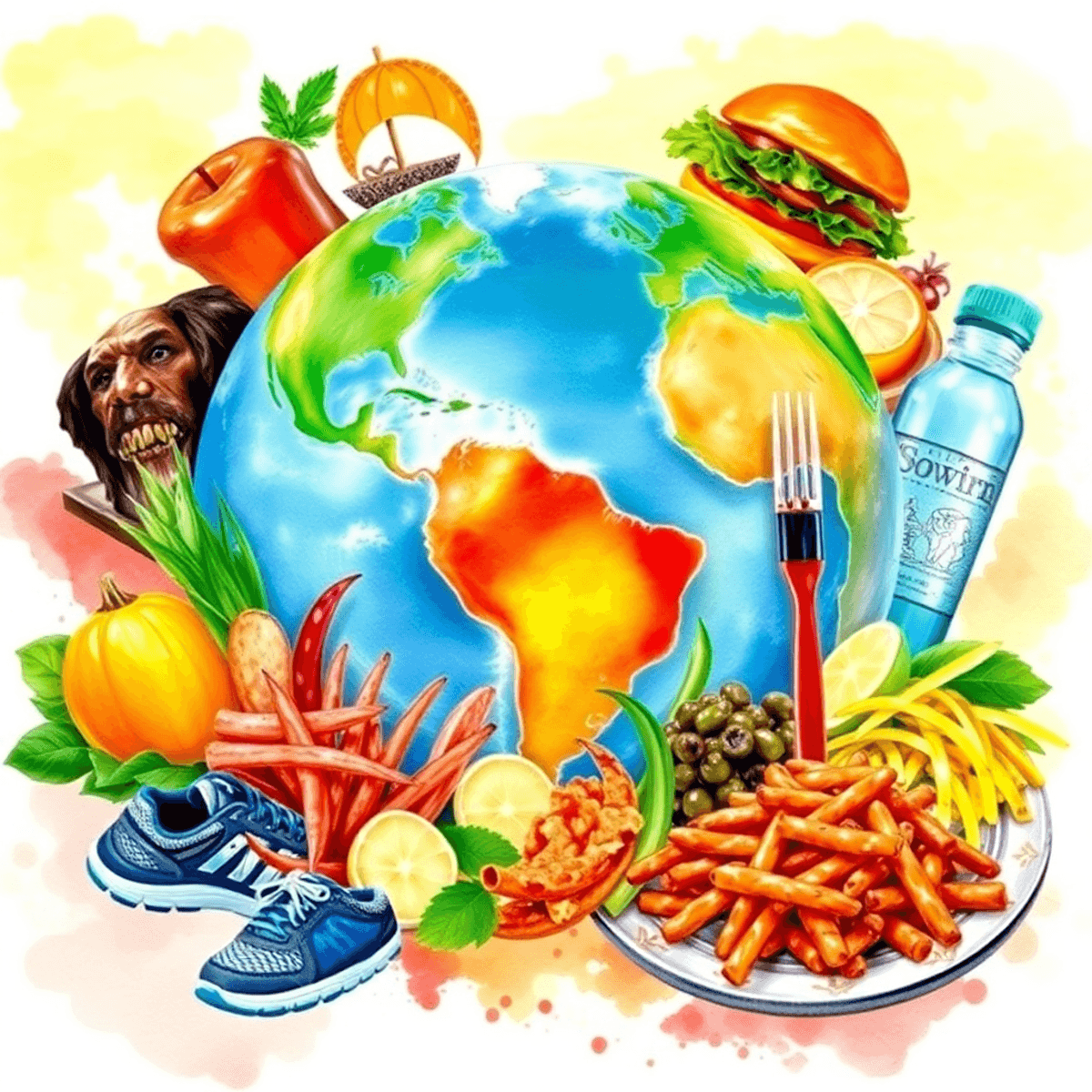
How I Became Fat After Traveling the World with My Crazy Girlfriend: A Story About My Life
I thought I had everything set. When my girlfriend and I said we would travel the world together, I wanted to stay fit. I pictured myself swimming in pools at hotels and going to the gym when I could. I wanted to keep my body in good shape when we were in new places.
But when we went to places in Africa, South America, and Asia, I saw it would not be easy to stick to my fitness routine. I found out that keeping up with my workouts was going to be much harder than I thought.
The Challenges of Traveling and Staying Fit
Traveling brings many challenges. It can be hard to keep up with a strict exercise plan when you are on the move. Here are some problems I faced:
Changing Environments: Each new place we went to meant getting used to something different. A small hotel room or a new city could make it hard to find the space and time to work out. It was often a challenge.
Physical Problems: Even when I wanted to keep going, there were days my back hurt and I had headaches that would not stop. Mosquito bites and foot pains did not help either. It got harder for me to stay active like that.
Temptations of Food Travel: I started out focused on fitness. But, the pull to try new foods became very strong. Tasting local dishes was now a big part of our trips and gave us joy together. It helped us feel more in touch with the people and places around us.
The Shift Towards Indulgence
With every new place I visited, I found that I wanted to enjoy myself more instead of holding back. I no longer made workouts my top focus. I began to really enjoy the foods I found. The spicy foods in South America caught my eye with their strong taste. The sweet and fresh foods of Indonesia and the Philippines made me want to try them too. Their good food and fun flavors made me feel happy.
This change was a big step in how I take care of myself when I travel. It brought together good health with real joy.
In this story, I will talk more about how things changed for me. When I started to enjoy food and fitness together while I traveled, it changed how I looked at being healthy during our trips.
The Reality of Maintaining Fitness While Traveling
Maintaining consistent fitness routines during extensive travel presents numerous physical challenges on the road. Common travel-related health issues often emerge, disrupting well-established exercise plans and impacting overall well-being.
Common Travel-Related Health Issues
- Back Pain: Long hours spent on planes, buses, and uneven terrain frequently caused persistent back pain. Sitting in cramped positions with limited movement contributed to muscle stiffness and discomfort.
- Headaches: Changes in altitude, dehydration, and exposure to new climates triggered frequent headaches. These often diminished motivation to engage in physical activity.
- Foot Problems: Walking long distances on unfamiliar surfaces without proper footwear led to foot pain, blisters, and swelling, reducing mobility and making workouts difficult.
Impact of Environmental Changes
Environmental factors exert significant influence over physical health while traveling. Shifts in climate—from tropical heat and humidity in Southeast Asia to dry desert air in the Middle East—affected energy levels and recovery times. Exposure to insect bites, particularly mosquitoes in Africa, introduced additional health complications such as localized swelling and fatigue.
Unfamiliar sleeping arrangements and inconsistent access to nutritious food further challenged the body’s ability to maintain strength and endurance. Adjusting to jet lag across multiple time zones disrupted circadian rhythms, influencing sleep quality essential for muscle repair.
Effects on Personal Fitness Plans
The mix of these things changed fitness plans while traveling in Africa, South America, and Asia. At first, there were plans to go to the gym or swim every day. But pain in the body kept coming back. It became clear that there was a need to choose rest instead of hard workouts since the body was telling me to spend some time recovering.
People tried to keep moving by going for walks or doing some light stretching when they could. Still, having to change normal fitness plans showed that things around us and health problems from travel can strongly affect what people can do to keep up with their exercise plans when they visit new places.
Understanding Travel-Induced Weight Gain
Gaining weight when you travel is a common problem for a lot of people. A new place, a different daily schedule, and changing how you live can make it hard to keep up with your fitness routine. These things together can cause changes in your body that may be hard to handle while you are on the go.
Factors Contributing to Weight Gain During Travel
1. Disrupted Exercise Routines
Regular workouts can become inconsistent or entirely halted due to lack of access to familiar gyms, swimming pools, or safe outdoor spaces. Injuries or physical discomfort—such as foot problems or back pain—can further limit activity levels, making it difficult to burn calories as usual. This is where the concept of a gymless workout comes into play. Adapting to exercise without the confines of a gym can be beneficial during travel.
2. New Eating Habits and Culinary Temptations
Exploring diverse cuisines introduces travelers to rich, unfamiliar foods that are often higher in calories and fats than home-cooked meals. Sampling street food, indulging in local desserts, and enjoying social meals contribute to increased caloric intake. Time zone shifts and irregular meal times also affect metabolism.
3. Environmental and Lifestyle Changes
Long days of sightseeing, travel fatigue, and changes in sleep patterns can increase stress hormones like cortisol, which has been linked to weight gain. Hydration levels may fluctuate depending on climate and availability of clean water, indirectly impacting overall health.
Emotional and Mental Health Impacts
Physical changes during travel extend beyond the scale. Experiencing weight gain can stir complex emotions such as frustration, guilt, or diminished self-confidence. The mental strain of coping with altered appearance may affect motivation for fitness or healthy eating. On the other hand, some travelers embrace these changes as part of their journey’s story and cultural immersion.
“Seeing my belly grow after months on the road was tough; it challenged my identity as a fitness-focused traveler. Accepting this shift required patience and self-compassion.”
Understanding the interplay between disrupted routines and emotional responses helps build resilience when facing travel-induced weight gain. Recognizing these factors lays groundwork for adapting one’s approach to health while continuing to enjoy the richness of new experiences.
From Fitness Travel to Food Travel: A Mindful Transition
The shift from a rigid fitness routine to embracing the joys of local culinary culture marked a significant turning point in my journey. After months of struggling with physical ailments such as back pain, headaches, and persistent foot issues—common challenges faced during travel in Africa and beyond—the reality of maintaining intense workout regimens faded. Instead, I found myself drawn to the vibrant flavors and unique dishes encountered on the road.
Traveling alongside my partner, whose passion for food was both infectious and inspiring, played a crucial role in this transformation. Her excitement for exploring street markets, family-run eateries, and traditional cooking methods opened new avenues for connection with each destination beyond the gym or pool. This shared enthusiasm encouraged me to lean into food travel fully rather than resist it.
Embracing indulgence without guilt became a vital aspect of this mindful transition. Accepting that cultural immersion includes savoring local specialties—often rich, spicy, or unfamiliar—helped reframe my attitude toward weight gain and disrupted fitness routines. The focus shifted from strict calorie counting to appreciating meals as an integral part of understanding a place’s history and people.
Several factors influenced this change:
- Recognition that fitness-focused travel felt limiting when health complications arose.
- Acknowledgment that exploring local gyms and pools as cultural hubs was not always feasible or enjoyable under certain conditions.
- Realization that food travel offered meaningful experiences that complemented physical activity rather than replaced it.
This balance between movement and nourishment allowed me to engage deeply with each region’s culinary culture—from savoring tagines in Morocco to trying jollof rice in West Africa—without the shadow of guilt or pressure. The result was a richer, more holistic way to experience travel that honored both body and soul.
Exploring Unique Cuisines in Africa, South America, and the Caribbean
Discovering African Flavors
African cuisine is a vibrant mix of flavors, influenced by traditions and local ingredients. As I traveled through different regions, I experienced both the physical challenges of health issues and the intense sensory experiences of food.
Health issues like mosquito bites, back pain, and headaches affected my energy levels each day, which in turn influenced my eating habits.
Despite these discomforts, I found that embracing traditional African foods was a way to connect with the culture and regain strength:
- Jollof Rice: A popular West African dish made with rice cooked in a flavorful tomato sauce, often served with chicken or fish. Its comforting warmth provided nourishment on days when I had low energy.
- Injera with Doro Wat: In Ethiopia, I discovered the sourdough flatbread called 'injera' paired with spicy chicken stew 'doro wat'. This combination not only filled me up but also introduced me to the unique flavors of fermentation.
- Bobotie: South Africa's Cape Malay dish featuring minced meat baked with an egg-based topping introduced a delightful balance of sweet and savory notes.
Sometimes, physical discomfort meant I had to choose less strenuous activities. Instead of long walks or hikes, I opted for leisurely visits to local markets where I could focus on discovering new foods. This shift allowed me to fully immerse myself in the vibrant atmosphere of these markets, where fresh produce, spices, and street foods showcased the diversity of each region.
Savoring Spicy Flavors in South America & Caribbean
South America and the Caribbean are known for their bold and lively dishes that reflect both indigenous cultures and colonial influences. The combination of spices and fresh ingredients resulted in exciting flavors but also required me to be mindful about how much I consumed in order to stay healthy.
Here are some must-try dishes from these regions:
- Feijoada (Brazil): A hearty black bean stew simmered with various cuts of pork, usually served with rice and orange slices. Its richness demanded balancing with lighter meals throughout the day to avoid feeling sluggish.
- Ceviche (Peru): Fresh fish marinated in citrus juice created a tangy yet refreshing dish—perfect for hot weather but requiring caution regarding food safety standards during my travels.
- Jerk Chicken (Caribbean): Infused with fiery Scotch bonnet peppers and aromatic herbs, this dish epitomized Caribbean flavors. The heat was invigorating but called for hydration strategies to prevent dehydration.
Sometimes indulging in spicy or fatty foods conflicted with maintaining a balanced diet. I became more aware of portion control and made an effort to incorporate fruits, vegetables, and water-rich foods into my daily meals. Embracing local customs such as drinking coconut water or herbal teas supported hydration while enhancing cultural experiences.
Finding Balance Between Culinary Enjoyment and Health Mindfulness
Physical activity also adapted accordingly; after enjoying heavier meals like feijoada or jerk chicken, lighter exercises such as walking or swimming helped mitigate feelings of lethargy. This interplay between culinary enjoyment and health mindfulness fashioned a sustainable approach to experiencing diverse cuisines without compromising well-being.
My journey through Africa revealed how embracing unique culinary traditions can coexist with managing physical challenges encountered on the road. Integrating local food adventures into travel plans enriched cultural understanding while prompting adaptive strategies for health preservation amid indulgence.
Asia & Middle East: Fusion Flavors and Street Food Culture
Asia offers a vibrant tapestry of flavors that redefine culinary exploration during travel. The bustling streets of Kuala Lumpur, Bangkok, and Vietnam serve as open-air kitchens where Asian street food traditions thrive. Each city presents unique tastes deeply rooted in local culture:
Kuala Lumpur
Enchants with dishes like nasi lemak—coconut milk-infused rice paired with spicy sambal and crunchy anchovies—and char kway teow, stir-fried flat rice noodles loaded with seafood and dark soy sauce. The fusion of Malay, Chinese, and Indian influences creates a gastronomic mosaic that invites slow savoring.
Bangkok
Street vendors tempt with pad thai, fragrant and tangy; som tam (spicy papaya salad); and mango sticky rice, blending sweet and savory in every bite. The city’s energy pulses through night markets, where food stalls become communal gathering spots.
Vietnam
Introduces fresh herbs, delicate rice noodles, and complex broths in dishes like pho and banh mi. Every meal balances textures and flavors—crisp, soft, sour, sweet—offering a sensory adventure that extends beyond simple sustenance.
Dubai stands apart as a spectacular crossroads of cultures reflected vividly in its culinary scene. Its reputation for multicultural cuisine brings together traditional Arab dishes with influences from South Asia, the Mediterranean, and beyond. This fusion creates innovative menus showcasing dates stuffed with nuts alongside Indian curries or Levantine mezzes served alongside Emirati specialties.
Key features of Dubai’s food culture include:
- Fusion Flavors: Chefs experiment with blending spices and techniques from different regions to produce exciting new tastes while honoring heritage.
- Diverse Dining Options: From street food trucks offering shawarma wraps to upscale restaurants serving gourmet versions of classic dishes, the range accommodates all preferences.
- Gastronomy Adventures in Asia: Traveling across this vast region reveals how local ingredients meet global inspiration—whether savoring Filipino adobo stewed in coconut vinegar or sampling Emirati machboos spiced with saffron.
The richness found in these Asian cities and Dubai exemplifies how food travel embraces diversity without sacrificing authenticity. Street food culture thrives not only as a way to eat affordably but also as an immersive experience connecting travelers to communities through shared meals. The blend of fusion and traditional flavors invites curiosity about history and innovation coexisting on plates around every corner.
Balancing Enjoyment and Health During Food Travel
When it comes to traveling, especially when food is a big part of the experience, it's important to find a balance between enjoying delicious meals and staying healthy. This can be challenging, as we often want to try all the local dishes while also maintaining our fitness goals.
The book How I Became Fat After Traveling the World with My Crazy Girlfriend: A Personal Journey tells the story of someone who struggled with this balance. It highlights the difficulties of staying fit while indulging in the culinary delights of different places.
Practical tips for maintaining health while indulging in local foods:
- Portion control: Instead of eating large portions of every dish, try sampling small amounts of multiple dishes. This way, you can enjoy a variety of flavors without overeating. For more detailed strategies on portion control, consider exploring various resources.
- Mindful eating: Take your time to savor each bite and fully appreciate the flavors. By eating slowly and mindfully, you'll feel more satisfied and be less likely to overindulge.
- Choosing fresh options: Whenever possible, prioritize dishes that are rich in vegetables, lean proteins, and whole grains. These ingredients are often found in traditional cuisines and can help you maintain a balanced diet.
Hydration and recovery techniques while indulging:
- Drink plenty of water throughout the day to stay hydrated. This is especially important if you're consuming spicy or salty foods, spending time in hot climates, or being physically active.
- When available, incorporate electrolyte-rich beverages or natural coconut water into your routine. These drinks can help replenish lost minerals and support your body's recovery.
- After heavy meals, schedule short rest periods to aid digestion and reduce fatigue. This will allow your body to process the food more efficiently and prevent any sluggishness.
Strategies for balancing pleasure with nutritional needs on the road:
- Incorporate light physical activity: Find opportunities to move your body throughout the day. Simple routines like morning stretches, walking tours, or bodyweight exercises in your hotel room can help counterbalance the calories consumed.
- Plan active excursions: When possible, include activities such as hiking, cycling, or swimming in your travel itinerary. These forms of exercise will not only benefit your cardiovascular health but also allow you to explore new places.
- Track eating habits: Use apps or journals to keep track of what you eat during your travels. This can help you identify any patterns that may lead to weight gain or energy slumps.
- Allow flexibility: Instead of imposing strict restrictions on yourself, give yourself permission to indulge occasionally. This flexibility supports your mental well-being and allows for cultural immersion.
Finding a balance between enjoying food and staying healthy while traveling involves respecting local traditions and cultures while also prioritizing your own wellness goals.
Hydration plays a key role in this equation as it helps with recovery after long days spent tasting different cuisines in various environments.
These strategies create a sustainable approach for maintaining fitness on the road while fully embracing a journey centered around food experiences.
Coping with Weight Gain While Traveling
Gaining weight while you travel for a long time can bring up many different feelings. You may feel upset, guilty, or sad when your body looks or feels different than you want. These changes can feel like they go against your health goals. It is good to know these feelings are normal for people. They are not a sign that you failed. Knowing this can help you feel balanced and more at ease with what is going on.
"I noticed my clothes fitting tighter, and that moment brought a wave of discouragement. Accepting this change without harsh judgment was the first step toward regaining control."
Understanding the Mental Health Impact
Changes in your body while you travel can have a big effect on your mind. Feeling worried about how you look or feel can take away the fun of seeing new places and learning about them. But, being kind to yourself and staying aware of your feelings can help keep you feeling good as you go through these changes.
Setting Realistic Fitness Goals
Making fitness goals when you are traveling takes some flexibility and creativity. You may have problems because there is no equipment or you are in a new place. You may feel some pain or not feel well at times. It is important to change what you expect depending on these things:
Focus on small, achievable targets: Short walks, stretching routines, or bodyweight exercises can be easy to add in your day.
Make regular activity more important than hard workouts: Doing a bit of movement many times during the week gives better results than just working out very hard once in a while.
Add movement when you go out to see new places: Walking around cities or renting bikes helps you get exercise, but it doesn't feel like a workout.
Maintaining Mental Well-Being
Taking care of your mental well-being means you have to balance accepting yourself with staying driven. It helps to celebrate wins that are not just about the scale. This could be better stamina, feeling happier after you move, or finding a fun new way to be active. All these things make you feel good, not just because of your weight.
Making helpful routines can also help you deal with things better:
Write down how you feel about changes in your body.
Talk with other people on the trip who also like to keep fit.
Let yourself enjoy some treats, and plan how you will get back to your fitness routine after the trip.
Dealing with weight gain when you travel is not just about staying strict. It is about being kind to yourself and making small changes. It helps to remember that the changes in your body are not forever. Try to think about your health as a whole, not just your weight. This will help you enjoy your trip and feel good at the same time.
Creating a Balanced Travel Plan Incorporating Fitness and Food
Making a balanced travel plan that fits in the best workouts for travelers and good food experiences takes real planning and some flexibility. The aim is to take care of both your body and taste for food, so you do not have to miss out on the fun of exploring new places.
Finding or Creating Workouts Suitable for Travelers
Leverage Bodyweight Exercises: You may not have gym tools or bands with you. Do squats, lunges, push-ups, planks, and stretches that get your body moving. These help you keep your strength and feel good wherever you are.
Utilize Outdoor Spaces: The park, beach, or even a hotel terrace can be your workout spot. Try running, walking fast, or doing some yoga there. This helps you move your body and feel more in touch with the place you visit.
Short High-Intensity Sessions: When you have busy days with a lot to do or places to see, a fast HIIT workout is great. Even 15 to 20 minutes can help you burn energy, help your heart, and keep you feeling strong.
Incorporate Movement Into Sightseeing: Try to walk instead of using a car or bus, when you can. Take walking tours, check out city markets, or walk to see famous sites and try hiking a local trail. They work toward your fitness while you see new things.
Designing Itineraries That Satisfy Both Physical Activity Needs and Culinary Exploration Desires
Plan Meal-Centric Days Around Active Mornings or Afternoons: Set your fitness activity before a big meal. A walk or hike in the morning before you try street food will make your day feel good.
Select Accommodations With Fitness Facilities or Access to Recreational Areas: Choose to stay in places with a gym, pool, or bikes. This way, you can add easy workouts to your day along with your food trips.
Prioritize Destinations Known for Both Healthy Options and Special Food Choices: Pick cities that are known for healthy eats. Look for places with big farmers’ markets and cafes so you can try fresh, local food and also get the tastes locals do.
Balance Portions Rather Than Avoid Foods Entirely: Do not say no to any food. Keep your food portions right so you get to enjoy new flavors while still caring about your fitness goals at the same time.
Crafting a balanced travel plan involves creativity and adaptability—embracing movement opportunities wherever possible while savoring the cultural richness found through food.
Embracing Food Travel Without Guilt: Finding Joy in Both Worlds
When you accept weight gain as something that can happen while you travel, you start to see your trips in a new way. The story How I Became Fat After Traveling the World with My Crazy Girlfriend: A Personal Journey shows that trying new foods without feeling bad helps you feel more connected to different cultures. It also helps you make strong memories. Changes in weight are not mistakes. They are signs that you are enjoying life and jumping into all the new things around you.
Key aspects of embracing this mindset include:
Balancing fitness efforts with rich food adventures
Keeping up with some easy physical activity, even if you feel limited, can help you stay healthy and not lose out on the fun of trying local foods. Walking between street food spots or picking sightseeing that keeps you on the move helps your body and makes your day feel more full.
Finding joy in food as a big part of travel
Trying the food that is popular in an area helps you feel more connected to the place and people. It is about enjoying what you eat and understanding the stories in each meal, not feeling bad after you eat.
Seeing how you grow during trips by learning from different cultures
Dropping strict fitness plans gives you time to feel better mentally. Stress goes down, and you feel more open to the new ways people do things and the foods they eat. This helps you feel good inside and out while you go and see new places.
Staying healthy while you try new food on your trip
Making smart choices, like drinking enough water and not eating too much at once, helps keep you well. It does not take away your happiness, and you feel good after every meal. This way of thinking can help you make good habits when you get back home, too.
This mix of staying active and trying new food gives you a fun time when you travel. It helps you feel good about your health and enjoy the food you eat.
Conclusion
When I look back at How I Became Fat After Traveling the World with My Crazy Girlfriend: A Personal Journey, I see a big change in the way I traveled. I used to focus on staying fit, but then I started to enjoy trying new foods while I traveled. This was not just a new routine, it was also a new way of thinking. There were times when health problems and things happening with my body kept me down. These things showed the real problems many people have when they go to new places.
Key takeaways from this journey include:
Acceptance of change: See weight gain on a trip as something that is part of the travel fun. It is not a sign of failure.
Cultural connection through local food: Find joy and feel close to people by tasting new dishes. Do not feel bad about enjoying the food.
Staying strong through challenges: Deal with health things like mosquito bites, back pain, or sore feet, and be open to change how you work out.
Full growth: Take in new ways to feel well that mix moving your body with trying local foods.
Looking forward, my goals for fitness after travel are all about balance. I want to remember the good times I had with food while also working to get my strength and speed back. This path shows that travel is about change and learning new things. Every time we go somewhere, we get to know more about ourselves and the world around us.
FAQs (Frequently Asked Questions)
How can travelers maintain fitness routines while dealing with common travel-related health issues?
Keeping up with fitness when you travel can be hard. You may feel pain in your back, get headaches, or have problems with your feet. This can happen because the travel changes things around you.
To deal with this, you should change your workout to what you can find nearby. Try using a local gym or pool if there is one. Make sure to drink enough water. You can add simple stretches to feel better if your body hurts. This will help you feel good and stay active even when you are away from home.
What causes weight gain during extended travel, and how can travelers manage it?
Weight gain when people travel can happen because they change how they work out and eat. Many people try a lot of new foods when they visit a place. To stay healthy, it helps to set goals for your fitness that you can reach. You should enjoy some new foods but also choose food that is good for you. Try to move your body while you travel, even if it is just simple workouts. Make sure you feel good in your mind and enjoy your trip without feeling bad about it.
How did the transition from fitness-focused travel to food travel impact personal health and mindset?
The move away from strict fitness plans to enjoying food from many places helped me eat with care and feel part of the local life. This did cause some weight gain and made it harder for me to do some things. But it gave me the chance to enjoy food without feeling bad and to feel better about myself. I learned to accept changes as a normal part of how I travel.
What are some unique culinary experiences encountered across continents during food-focused travels?
Traveling through Africa gave me the chance to try many dishes. There were some health problems, like mosquito bites, but the food was worth it. Food in South America and the Caribbean is spicy and full of taste. I needed to think about eating tasty food and also making sure it was healthy. In Asia and the Middle East, I saw many street foods. Cities like Kuala Lumpur, Bangkok, Vietnam, and Dubai were good places for this. The cuisines in these places mix different flavors. A lot of people live and eat together, so you can feel their culture in the food.
What strategies help balance enjoyment of local foods with maintaining health during culinary travels?
Good ways to stay healthy are to drink enough water and take care of your body after you eat too much. Try to eat balanced foods, even when you want rich or spicy meals. You can look for or try easy workouts while you travel. It helps to plan your trips so you have time for both movement and trying new foods.
How can travelers embrace food exploration without guilt while still focusing on health optimization?
Enjoying food while you travel means being okay with gaining weight sometimes. It is normal and not a bad thing. You can feel happy as you work out and eat good food while you are away from home. It helps to keep a good mix of activity and food. This way, you learn more about many different people and places. Also, you grow during this time by making good choices as you travel.
Comments
Post a Comment